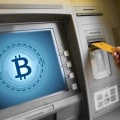
Bitcoin ATMs, often referred to as BATMs, are specialized kiosks that facilitate the buying and selling of Bitcoin and sometimes other cryptocurrencies. Unlike traditional ATMs that connect to a bank account, Bitcoin ATMs connect users directly to a cryptocurrency exchange, allowing for a seamless cash-to-Bitcoin transaction. This innovative technology has emerged as a convenient solution for individuals looking to enter the world of cryptocurrency without the need for extensive online setups or accounts.The primary function of a Bitcoin ATM is to enable users to purchase Bitcoin using cash or debit cards. When you approach a Bitcoin ATM, you will typically find an intuitive interface that guides you through the process.
Users can insert cash or swipe their debit card, enter the amount of Bitcoin they wish to purchase, and complete the transaction in just a few simple steps. Once the transaction is confirmed, the purchased Bitcoin is sent directly to the user's digital wallet, making it an efficient way to acquire cryptocurrency on the go.However, while Bitcoin ATMs offer unparalleled convenience and privacy, they also come with certain considerations that potential users should be aware of. One of the most significant factors is the transaction fees associated with these machines. Fees can vary widely between different operators and locations, often ranging from 6% to over 25%.
Understanding how these fees work and where they are applied is crucial for anyone looking to maximize their investment in Bitcoin.As we delve deeper into the world of Bitcoin ATMs, it becomes essential to explore not only how they function but also how to identify the most cost-effective options available. By comparing fees and understanding the operational mechanics behind these machines, users can make informed decisions that align with their financial goals in the ever-evolving cryptocurrency landscape.
How Bitcoin ATMs Operate
Understanding how Bitcoin ATMs operate is essential for anyone looking to buy or sell Bitcoin conveniently. These machines function similarly to traditional ATMs but are specifically designed for cryptocurrency transactions. Here’s a detailed look at the process involved in using a Bitcoin ATM.1.Locating a Bitcoin ATM
The first step in using a Bitcoin ATM is finding one nearby.
Various websites and mobile apps provide maps of Bitcoin ATM locations, allowing users to identify the nearest machine. Once you arrive at the ATM, you’ll notice that it typically resembles a standard ATM, but with a screen and interface tailored for cryptocurrency transactions.
2.Initiating the Transaction
Upon approaching the machine, users will be prompted to select whether they want to buy or sell Bitcoin. If you choose to buy, the machine will guide you through the necessary steps. Most ATMs require users to scan a QR code from their Bitcoin wallet app, which ensures that the purchased Bitcoin is sent directly to their wallet.
3.Payment Options
Bitcoin ATMs generally accept cash or debit card payments.
If you opt for cash, simply insert the bills into the designated slot. For debit card transactions, follow the on-screen instructions to complete your purchase securely. It’s important to note that transaction fees can vary significantly between different machines, so always check the displayed rates before proceeding.
4.Completing the Transaction
After entering the amount of Bitcoin you wish to purchase and confirming your payment method, the ATM will process your transaction. This process usually takes just a few minutes.
Once completed, the machine will display a confirmation message, and your purchased Bitcoin will be sent to your wallet address.
5.Selling Bitcoin
If you’re looking to sell Bitcoin instead, the process is quite similar. You’ll need to select the sell option on the ATM interface and then scan your wallet QR code again. After entering the amount of Bitcoin you wish to sell, you can receive cash directly from the machine once your transaction is confirmed.
6.Security and Privacy Considerations
While using a Bitcoin ATM offers convenience and privacy—since it often doesn’t require personal identification—it’s crucial to remain vigilant about security. Always ensure that you are using a reputable machine and double-check all transaction details before finalizing any purchases or sales.In summary, Bitcoin ATMs provide an accessible way for individuals to engage with cryptocurrency by simplifying the buying and selling process through user-friendly interfaces and direct transactions.
Comparing Bitcoin ATM Fees
When it comes to using a Bitcoin ATM, understanding the associated fees is crucial for making informed financial decisions.The fees can vary significantly between different operators, and knowing how to compare these costs can save users a substantial amount of money.Typically, Bitcoin ATM fees are composed of two main components: the purchase fee and the sale fee. The purchase fee is charged when you buy Bitcoin, while the sale fee applies when you sell Bitcoin back for cash. These fees can range widely, often falling between 11% to 25% of the transaction amount.
Key Players in the Bitcoin ATM Market
Among the various operators, CoinFlip and Coinsource stand out for their competitive pricing. CoinFlip charges a purchase fee of 6.99% on cash transactions and a sale fee of 3.99%, making it one of the most affordable options available.With over 1,000 locations across 45 states, CoinFlip provides accessibility along with low fees.On the other hand, Coinsource offers a flat fee structure with an average transaction cost of 11%, which is also among the lowest in the industry. This operator is known for its transparency, providing users with an exact Bitcoin price without hidden charges.
Understanding Fee Structures
The fees associated with Bitcoin ATMs are not arbitrary; they cover operational costs such as maintenance, compliance with regulations, and transaction processing. It's essential to recognize that while some ATMs may advertise lower fees, they might compensate by offering less favorable exchange rates or additional hidden costs.To effectively compare Bitcoin ATM fees, consider the following:- Location: Fees can vary by region due to local demand and competition.
- Operator: Different operators have different fee structures; always check multiple sources.
- Transaction Amount: Some ATMs may have tiered pricing based on how much Bitcoin you are buying or selling.
- Exchange Rates: Compare the exchange rate offered at the ATM against current market rates to ensure you're getting a fair deal.
Top Bitcoin ATM Operators in the Market
When it comes to navigating the world of Bitcoin ATMs, understanding the leading operators in the market is crucial for making informed decisions.Here, we delve into some of the top Bitcoin ATM companies, highlighting their market share, fee structures, and unique features that set them apart.
1.CoinFlip
CoinFlip is one of the most prominent players in the Bitcoin ATM industry, boasting over 1,000 locations across 45 states. Known for its competitive fee structure, CoinFlip charges a purchase fee of 6.99% on cash transactions and a sale fee of 3.99% below cash prices. This makes it one of the most affordable options available for users looking to buy or sell Bitcoin through an ATM.2.Coinsource
Another major contender is Coinsource, which has established itself as a reliable choice for Bitcoin transactions. With a nationwide average fee of 11%, Coinsource offers a straightforward pricing model with no hidden fees.This transparency is appealing to users who want to avoid unexpected costs when using Bitcoin ATMs.
3.Bitcoin Depot
Bitcoin Depot holds a significant market share at 19.1%, making it one of the largest Bitcoin ATM networks in the United States. They provide a user-friendly interface and a wide range of locations, making it convenient for users to access their services. However, their fees can vary, so it's essential to check the specific rates at each location.4.CoinCloud
With a market share of 14.1%, CoinCloud is another key player in the Bitcoin ATM landscape. They offer a diverse range of cryptocurrencies beyond just Bitcoin, catering to users interested in altcoins as well.Their machines are equipped with advanced technology that ensures secure transactions and user privacy.
5.BitTeller
For those seeking the most affordable option globally, BitTeller stands out as a leader in low-cost transactions. While their presence may not be as widespread as some competitors, they are known for offering some of the lowest fees in the industry, making them an attractive choice for budget-conscious users.In summary, when selecting a Bitcoin ATM operator, it's essential to consider factors such as transaction fees, location availability, and additional features offered by each company. By understanding these aspects, users can make more informed choices that align with their cryptocurrency needs.Finding the Cheapest Bitcoin ATM Near You
Finding the cheapest Bitcoin ATM in your area can significantly enhance your cryptocurrency purchasing experience. With varying fees and services offered by different operators, it’s essential to know how to locate the most cost-effective options.Here are some practical tips and resources to help you find a cheap Bitcoin ATM near you.
1.Use Online Maps and Directories
- CoinATMRadar: This is one of the most comprehensive resources for locating Bitcoin ATMs. By entering your location, you can view a map of nearby ATMs, along with their fees, supported cryptocurrencies, and operational status.
- Google Maps: Simply searching for "Bitcoin ATM" in Google Maps can yield results based on your current location. You can also read reviews and check the average fees reported by other users.
2.Compare Fees Across Different Operators
Once you have identified several Bitcoin ATMs in your vicinity, it’s crucial to compare their transaction fees. Some operators, like CoinFlip and Coinsource, are known for their lower fees.
Make sure to check:
- The purchase fee percentage for buying Bitcoin.
- The sale fee percentage if you plan to sell Bitcoin back for cash.
- If there are any hidden fees that may not be immediately apparent.
3.Check Local Cryptocurrency Communities
Engaging with local cryptocurrency communities can provide valuable insights into where to find the best Bitcoin ATMs. Platforms like Reddit or local Facebook groups often have discussions about the best places to buy Bitcoin, including recommendations for ATMs with lower fees.
4.Utilize Mobile Apps
Several mobile applications are designed to help users locate Bitcoin ATMs quickly. Apps like Mycelium or Blockstream Green not only show nearby ATMs but also provide real-time fee comparisons and user reviews.
5.Visit Retail Locations
Many Bitcoin ATMs are located in retail stores, gas stations, or convenience stores. Visiting these locations can sometimes yield better deals than what is listed online, as some operators may offer promotional rates or discounts for first-time users.By utilizing these tools and strategies, you can effectively locate the nearest Bitcoin ATM that offers the best rates, ensuring that your cryptocurrency transactions are both convenient and cost-effective.
Risks and Considerations When Using Bitcoin ATMs
Using Bitcoin ATMs can be a convenient way to purchase cryptocurrency, but it is essential to be aware of the potential risks and considerations involved.Understanding these factors can help users make informed decisions and protect their investments.
High Fees
One of the most significant drawbacks of using Bitcoin ATMs is the high transaction fees associated with them. While some operators, like CoinFlip and Coinsource, offer lower fees compared to others, the average fees for Bitcoin ATMs can range from 11% to 25%. This is considerably higher than fees typically charged by online exchanges. Users should always check the fee structure before proceeding with a transaction to avoid unexpected costs.
Security Concerns
Another critical consideration is the security of transactions conducted at Bitcoin ATMs.
Although these machines are designed to facilitate secure transactions, they are not immune to risks. Users should be cautious about:
- Scams: Some Bitcoin ATMs may be operated by fraudulent entities. Always verify the legitimacy of the ATM and its operator before making a transaction.
- Privacy Issues: While Bitcoin transactions offer a degree of anonymity, using an ATM may require personal information, such as phone numbers or ID verification, which could compromise privacy.
- Theft: Physical security is also a concern. Users should be aware of their surroundings when using an ATM, as they can become targets for theft or robbery.
Market Volatility
The price of Bitcoin can fluctuate significantly within short periods.
When using a Bitcoin ATM, users may not receive real-time pricing updates, leading to potential losses if the market shifts rapidly during the transaction process. It is advisable to check current market prices before initiating a purchase.
User Experience
While many Bitcoin ATMs are designed for ease of use, not all machines provide a user-friendly experience. Some may have complicated interfaces or unclear instructions, which can lead to mistakes during transactions. Users should take their time to understand how the machine works and follow on-screen prompts carefully.In conclusion, while Bitcoin ATMs offer a convenient method for purchasing cryptocurrency, users must remain vigilant about the associated risks.
By being aware of high fees, security concerns, market volatility, and user experience issues, individuals can better navigate the world of Bitcoin ATMs and make safer investment choices.
Frequently Asked Questions About Bitcoin ATMs
As Bitcoin ATMs become increasingly popular, many users have questions about their functionality, fees, and security. Here are some of the most frequently asked questions regarding Bitcoin ATMs:What is a Bitcoin ATM?
A Bitcoin ATM, or BTM, is a kiosk that allows users to buy Bitcoin and sometimes other cryptocurrencies using cash or debit cards. Unlike traditional ATMs that connect to bank accounts, Bitcoin ATMs connect directly to cryptocurrency exchanges, enabling users to purchase digital currencies in a convenient manner.How do I use a Bitcoin ATM?
Using a Bitcoin ATM is relatively straightforward. Here’s a step-by-step guide:- Locate a nearby Bitcoin ATM using an online map or app.
- Approach the machine and select the option to buy Bitcoin.
- Enter your wallet address or scan the QR code from your wallet app.
- Insert cash or use your debit card to complete the transaction.
- Confirm the transaction details and wait for the purchase to be processed.
What are the fees associated with Bitcoin ATMs?
Fees for using Bitcoin ATMs can vary significantly between operators.On average, transaction fees range from 11% to 25%. For instance, CoinFlip offers competitive rates with a purchase fee of 6.99% and a sale fee of 3.99%. It’s essential to check the displayed rates on the machine before proceeding with your transaction.
Are Bitcoin ATMs safe?
While Bitcoin ATMs provide a level of anonymity and convenience, users should exercise caution. Ensure you are using a reputable operator and verify the machine's location.Additionally, always double-check transaction details before confirming any purchases to avoid potential scams.
Can I sell Bitcoin at an ATM?
Yes, many Bitcoin ATMs offer two-way functionality, allowing users to both buy and sell Bitcoin. To sell Bitcoin, you typically need to follow similar steps as buying but will receive cash instead of purchasing cryptocurrency.Understanding these common questions can help demystify the process of using Bitcoin ATMs and empower users to make informed decisions when engaging with cryptocurrency transactions.Conclusion: Making Informed Choices with Bitcoin ATMs
As we conclude our exploration of Bitcoin ATMs, it is essential to emphasize the significance of making informed decisions when engaging with these machines. The convenience they offer in purchasing Bitcoin and other cryptocurrencies is undeniable, but understanding the associated costs and operational mechanics is crucial for maximizing your investment.Throughout this article, we have highlighted key players in the Bitcoin ATM market, such as CoinFlip and Coinsource, which provide some of the most competitive transaction fees. With CoinFlip's purchase fee of 6.99% and Coinsource's flat 11% fee, users can save significantly compared to the average market rates that can soar between 11% to 25%.This knowledge empowers users to choose the most cost-effective options available.Moreover, it is vital to recognize that Bitcoin ATMs are not traditional ATMs; they serve as gateways to cryptocurrency exchanges rather than banks. This distinction means that users should be vigilant about the fees displayed on the machine and compare them with real-time Bitcoin prices. By doing so, you can avoid unexpected charges that may arise from hidden fees.Additionally, understanding how Bitcoin ATMs operate can enhance your experience. These machines typically require minimal personal information, allowing for a more private transaction compared to online exchanges.
However, this anonymity comes with its own set of risks, including potential scams or inflated fees. Therefore, always ensure you are using a reputable ATM operator.In summary, while Bitcoin ATMs provide a convenient method for acquiring cryptocurrency, being aware of the fees and operational nuances is essential for making informed choices. By comparing different ATMs and understanding their fee structures, you can optimize your transactions and make the most out of your Bitcoin investments.