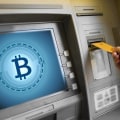
Bitcoin ATMs, often referred to as BTMs, are specialized machines that allow users to buy and sell Bitcoin and other cryptocurrencies using cash or debit cards. Unlike traditional ATMs that dispense cash from a bank account, Bitcoin ATMs facilitate transactions directly with the cryptocurrency network, enabling users to convert their fiat currency into digital assets seamlessly. This innovative technology has gained traction in recent years, making it easier for individuals to access cryptocurrencies without needing to navigate the complexities of online exchanges.Understanding how a Bitcoin ATM works is essential for anyone considering using one. When you approach a BTM, you will typically be prompted to scan a QR code associated with your digital wallet. Bitcoin ATMs, often referred to as BTMs, are specialized machines that allow users to buy and sell Bitcoin and other cryptocurrencies using cash or debit cards. Unlike traditional ATMs that dispense cash from a bank account, Bitcoin ATMs facilitate transactions directly with the cryptocurrency network, enabling users to convert their fiat currency into digital assets seamlessly. This innovative technology has gained traction in recent years, making it easier for individuals to access cryptocurrencies without needing to navigate the complexities of online exchanges.Understanding how a Bitcoin ATM works is essential for anyone considering using one. When you approach a BTM, you will typically be prompted to scan a QR code associated with your digital wallet.
This QR code represents your wallet's receiving address, where the purchased Bitcoin will be sent. After selecting the amount of Bitcoin you wish to buy and inserting cash or swiping your debit card, the machine processes the transaction and transfers the cryptocurrency directly to your wallet. The entire process is designed to be user-friendly, often requiring only a few simple steps.While Bitcoin ATMs offer convenience and accessibility, many potential users may wonder about their safety. The security of these machines is a critical aspect to consider before making a transaction.
Unlike centralized exchanges that hold your funds, Bitcoin ATMs allow you to maintain full control over your cryptocurrency. However, it is important to be aware of potential risks such as high transaction fees and the possibility of encountering fraudulent machines. By understanding how BTMs operate and taking necessary precautions, users can enjoy a secure experience while buying Bitcoin.
How Bitcoin ATMs Work
Understanding how to use a Bitcoin ATM is crucial for anyone looking to purchase Bitcoin quickly and securely. The process is designed to be user-friendly, allowing both beginners and experienced users to navigate it with ease.Here’s a step-by-step guide on how to buy Bitcoin at an ATM.
- Locate a Bitcoin ATM: The first step is finding a nearby Bitcoin ATM. You can use various online maps or apps that list the locations of these machines. Ensure that the ATM you choose supports the purchase of Bitcoin.
- Prepare Your Digital Wallet: Before you approach the ATM, make sure you have a digital wallet set up. This wallet will store your Bitcoin after the purchase.
You can download a wallet app on your smartphone or use a hardware wallet for added security.
- Verify Your Identity: Most Bitcoin ATMs require you to verify your identity before making a transaction. This may involve scanning your ID or entering your phone number. Some machines may also require biometric verification, such as a fingerprint scan.
- Select the Amount: Once your identity is verified, you can select how much Bitcoin you wish to purchase. The ATM will display the current exchange rate and any applicable fees, so you know exactly what you’re paying.
- Insert Cash or Use Debit Card: Depending on the machine, you can either insert cash or use a debit card to complete your purchase.
If using cash, ensure that the bills are clean and undamaged, as most ATMs will reject torn or dirty notes.
- Receive Your Bitcoin: After completing the payment, the ATM will prompt you to enter your Bitcoin wallet address. You can do this by scanning a QR code from your wallet app or manually entering the address. Once confirmed, the Bitcoin will be sent to your wallet.
- Transaction Confirmation: After the transaction is processed, you will receive a receipt confirming your purchase. It’s important to keep this receipt for your records, as it contains details about the transaction.
However, it’s essential to remain vigilant and ensure that you are using a reputable machine in a safe location.In summary, buying Bitcoin at an ATM involves locating a machine, preparing your digital wallet, verifying your identity, selecting an amount, making payment, and receiving your Bitcoin securely. By following these steps, users can confidently navigate the world of cryptocurrency transactions.
Safety Features of Bitcoin ATMs
When considering the safety of using a Bitcoin ATM, it’s essential to understand the various security features that these machines incorporate to protect users during transactions. Unlike traditional cryptocurrency exchanges, which may hold your funds and personal information, Bitcoin ATMs allow you to maintain full control over your digital assets. Here are some key security measures that enhance the safety of transactions at Bitcoin ATMs:- Two-Factor Authentication (2FA): Many Bitcoin ATMs require users to enable two-factor authentication.
This means that in addition to entering your PIN or password, you will also need to verify your identity through a secondary method, such as a text message or an authentication app. This extra layer of security significantly reduces the risk of unauthorized access.
- Identity Verification: To comply with regulations and prevent illicit activities, most Bitcoin ATMs require users to verify their identity. This process often involves scanning a government-issued ID or taking a selfie. By ensuring that only verified individuals can make transactions, Bitcoin ATMs help deter fraud and enhance overall security.
- Secure Transactions: Transactions made through Bitcoin ATMs are encrypted, which means that your personal information and transaction details are protected from potential hackers.
The encryption protocols used by these machines ensure that sensitive data is not easily accessible.
- Real-Time Monitoring: Many Bitcoin ATM operators implement real-time monitoring systems to detect suspicious activities. If any unusual behavior is detected, such as multiple transactions from the same user in a short period, the system can flag these activities for further investigation.
- User Control: One of the most significant advantages of using a Bitcoin ATM is that you retain complete control over your funds. Unlike exchanges where you deposit your coins into their wallets, with a Bitcoin ATM, you send your purchased bitcoins directly to your own wallet address. This minimizes the risk associated with third-party custody.
By utilizing two-factor authentication, requiring identity verification, and ensuring secure transactions through encryption, these machines offer a level of safety that can instill confidence in both new and experienced cryptocurrency users.
Comparing Bitcoin ATMs to Traditional Exchanges
When considering the best way to purchase Bitcoin, many individuals find themselves weighing the options between Bitcoin ATMs and traditional cryptocurrency exchanges. Each method has its own set of advantages and disadvantages that cater to different user needs and preferences.Advantages of Bitcoin ATMs
- Instant Transactions: One of the most significant benefits of using a Bitcoin ATM is the speed of transactions. Users can buy Bitcoin almost instantly, making it a convenient option for those who need immediate access to their funds.
- Anonymity: Bitcoin ATMs often allow users to make purchases without requiring extensive personal information. This level of anonymity can be appealing for individuals who prioritize privacy in their financial transactions.
- No Custodial Risk: Unlike exchanges that hold your funds, Bitcoin ATMs enable users to maintain full control over their purchased Bitcoin.
This reduces the risk associated with potential exchange hacks or insolvencies.
- Accessibility: With thousands of Bitcoin ATMs available worldwide, users can easily find a machine nearby, making it a practical choice for travelers or those in areas with limited access to traditional banking services.
Disadvantages of Bitcoin ATMs
- Higher Fees: One notable downside is that Bitcoin ATMs typically charge higher transaction fees compared to traditional exchanges. These fees can vary significantly depending on the machine and location, which may deter some users.
- Limited Purchase Amounts: Many Bitcoin ATMs impose limits on how much Bitcoin can be purchased in a single transaction or within a certain timeframe. This restriction can be inconvenient for users looking to make larger investments.
- Identity Verification: While some ATMs offer anonymous transactions, many require users to verify their identity through a government-issued ID or phone number. This process can be cumbersome and may deter those seeking a quick purchase.
They often offer lower fees and allow for larger transactions, but they come with their own set of challenges, such as longer processing times and the need for extensive personal information. Ultimately, the choice between using a Bitcoin ATM or an exchange will depend on individual preferences regarding speed, privacy, and cost.
Fees Associated with Bitcoin ATMs
When considering the use of a Bitcoin ATM, one of the most critical factors to evaluate is the associated fees. Understanding these costs can help users determine whether utilizing an ATM for their cryptocurrency transactions is financially viable.Typically, Bitcoin ATMs charge a fee that ranges from 5% to 15% of the transaction amount. This fee structure can vary significantly based on several factors, including the location of the ATM, the operator's policies, and the current market conditions.Here are some key points to consider regarding Bitcoin ATM fees:
- Transaction Fees: Most Bitcoin ATMs impose a transaction fee that is a percentage of the total amount being purchased. For example, if you buy $1,000 worth of Bitcoin and the ATM charges a 10% fee, you would pay $100 in fees.
- Network Fees: In addition to the transaction fees charged by the ATM operator, there may also be network fees associated with processing your transaction on the Bitcoin blockchain. These fees can fluctuate based on network congestion and are typically added to your total cost.
- Exchange Rate Markup: Bitcoin ATMs often offer a less favorable exchange rate compared to online exchanges. This means that even if you are paying a lower transaction fee, you might end up receiving less Bitcoin for your cash due to this markup.
For instance, if you need to purchase Bitcoin quickly or do not have access to a bank account or online exchange, an ATM can be an attractive option despite the higher costs.Moreover, it’s essential to compare different Bitcoin ATMs in your area. Some operators may offer lower fees or more favorable exchange rates than others. Websites and apps that track Bitcoin ATM locations often provide information about fees and rates, allowing users to make informed decisions before proceeding with a transaction.In conclusion, while using a Bitcoin ATM can be more expensive than other methods of purchasing cryptocurrency, it offers unique advantages that may justify the costs for certain users. Always consider both the fees and your specific needs when deciding whether to use an ATM for your Bitcoin transactions.
Potential Risks of Using Bitcoin ATMs
While Bitcoin ATMs offer a convenient way to purchase cryptocurrencies, they are not without their risks.Understanding these potential pitfalls is crucial for anyone considering using a Bitcoin ATM.
1.High Fees
One of the most immediate concerns when using a Bitcoin ATM is the transaction fees. These fees can be significantly higher than those found on traditional cryptocurrency exchanges. Depending on the machine and location, users may encounter fees ranging from 5% to 20% of the transaction amount. This can eat into your investment, especially if you are buying smaller amounts of Bitcoin.
2.Scams and Fraud
Unfortunately, the rise in popularity of Bitcoin ATMs has also attracted scammers looking to exploit unsuspecting users.
Some common scams include:
- Phishing Scams: Fraudsters may set up fake Bitcoin ATMs that look legitimate but are designed to steal your funds or personal information. Always verify the legitimacy of the ATM before making a transaction.
- Fake QR Codes: Scammers may place stickers over legitimate QR codes on ATMs, redirecting your funds to their wallets instead of yours. Always double-check the QR code before scanning.
- Identity Theft: Some Bitcoin ATMs require identity verification, which can expose users to identity theft if proper precautions are not taken. Ensure that you are using a reputable machine that protects your personal information.
3.Lack of Regulation
The cryptocurrency market is still largely unregulated, and this extends to Bitcoin ATMs.
Unlike traditional financial institutions, there are fewer protections in place for users. If something goes wrong—such as a malfunctioning machine or a failed transaction—recourse may be limited or nonexistent.
4.Security Concerns
While Bitcoin ATMs do offer some security features, such as two-factor authentication, they are not immune to hacking attempts. Cybercriminals may target these machines to steal funds or personal data. Users should ensure that their digital wallets are secure and consider using additional security measures, such as hardware wallets, for larger transactions.
5.Limited Availability and Accessibility
Not all areas have access to Bitcoin ATMs, which can limit your ability to buy or sell cryptocurrencies when needed.
Additionally, some machines may be out of service or have low liquidity, making it difficult to complete transactions.In conclusion, while Bitcoin ATMs provide a convenient method for purchasing cryptocurrencies, it is essential to remain vigilant and informed about the potential risks involved. By understanding these challenges and taking appropriate precautions, users can better protect themselves while navigating the world of cryptocurrency transactions.
Best Practices for Using Bitcoin ATMs Safely
Using a Bitcoin ATM can be a convenient way to purchase cryptocurrency, but ensuring your transactions are safe is paramount. Here are some best practices to follow when using Bitcoin ATMs:- Choose a Reputable Location: Always use Bitcoin ATMs located in well-lit, secure areas. Avoid machines in isolated or suspicious locations, as these may pose a higher risk of theft or fraud.
- Verify the ATM's Legitimacy: Before using a Bitcoin ATM, check if it is operated by a reputable company.
You can often find reviews online or use websites that track Bitcoin ATM locations and their operators.
- Use a Secure Wallet: Ensure you have a secure digital wallet set up before making any transactions. Look for wallets that offer strong encryption and two-factor authentication to protect your funds.
- Keep Your Information Private: When using the ATM, be cautious about sharing personal information. Only provide the necessary details required for the transaction and avoid disclosing sensitive information to anyone nearby.
- Check Fees and Limits: Be aware of the fees associated with the transaction, as they can vary significantly between different ATMs. Additionally, check any limits on how much Bitcoin you can purchase at one time to avoid unexpected surprises.
- Use Cash Wisely: If you are purchasing Bitcoin with cash, only bring the amount you intend to spend.
This minimizes the risk of loss or theft during your transaction.
- Double-Check Transaction Details: Before finalizing your purchase, carefully review all transaction details displayed on the screen. Ensure that the receiving address for your Bitcoin is correct to avoid sending funds to the wrong wallet.
- Monitor Your Transactions: After completing your transaction, keep an eye on your wallet to confirm that the Bitcoin has been received. If there are any discrepancies, contact the ATM operator immediately.
Frequently Asked Questions About Bitcoin ATMs
As Bitcoin ATMs gain popularity, many users have questions about their functionality, security, and overall experience. Here are some of the most frequently asked questions regarding Bitcoin ATMs:1.How do I buy Bitcoin at an ATM?
Buying Bitcoin at an ATM is a straightforward process.First, locate a Bitcoin ATM near you using online maps or directories. Once at the ATM, follow these steps:
- Select the option to purchase Bitcoin.
- Enter the amount of Bitcoin you wish to buy.
- Provide your Bitcoin wallet address by scanning a QR code or entering it manually.
- Insert cash or use a debit card to complete the transaction.
2.Are there fees associated with using a Bitcoin ATM?
Yes, Bitcoin ATMs typically charge higher fees compared to traditional exchanges. These fees can range from 5% to 15% of the transaction amount, depending on the machine and its operator. It's essential to check the fee structure before proceeding with your purchase.3.Is it safe to use a Bitcoin ATM?
Generally, using a Bitcoin ATM is considered safe.These machines do not hold your funds; instead, they facilitate direct transactions between you and the blockchain. However, ensure that you are using a reputable ATM and take precautions such as:
- Using a secure digital wallet.
- Enabling two-factor authentication on your wallet.
- Avoiding public Wi-Fi when making transactions.
4.Do I need to verify my identity?
Many Bitcoin ATMs require some form of identity verification, especially for larger transactions. This may involve scanning your ID or providing a phone number for verification purposes. Always check the specific requirements of the ATM you are using.5.Can I sell Bitcoin at an ATM?
Yes, many Bitcoin ATMs allow users to sell their Bitcoin for cash.The process is similar to buying; however, you will need to select the option to sell and follow the prompts provided by the machine.By understanding these common questions and their answers, users can navigate the world of Bitcoin ATMs with greater confidence and ease.
Conclusion: Is It Safe to Buy Bitcoin at an ATM?
In conclusion, the question of whether it is safe to buy Bitcoin at an ATM is multifaceted and requires careful consideration. Overall, Bitcoin ATMs offer a unique blend of convenience and security that can be appealing to both new and experienced cryptocurrency users.One of the primary advantages of using a Bitcoin ATM is the ownership it provides. Unlike traditional exchanges that hold your funds, Bitcoin ATMs allow you to maintain full control over your cryptocurrency. This means that once you purchase Bitcoin, it is directly transferred to your digital wallet, minimizing the risk of hacks or theft associated with centralized exchanges.However, it is essential to acknowledge the potential risks involved.While Bitcoin ATMs are generally secure, they are not immune to criminal activity. Instances of fraud and money laundering have been reported, as these machines can facilitate anonymous transactions. Therefore, it is crucial to use reputable ATMs and remain vigilant about your surroundings when making a purchase.Moreover, the fees associated with Bitcoin ATMs tend to be higher than those found on traditional exchanges. Users should weigh these costs against the benefits of immediate access to Bitcoin and the convenience of cash transactions.
For those who prioritize speed and privacy, the trade-off may be worth it.To enhance your safety when using a Bitcoin ATM, consider the following tips:
- Research the ATM provider: Look for machines operated by well-known companies with positive reviews.
- Use a secure wallet: Ensure that your digital wallet has strong security features, such as two-factor authentication.
- Be aware of your surroundings: Choose a well-lit location and avoid using ATMs in isolated areas.
- Limit transaction amounts: If you're concerned about security, consider making smaller purchases rather than large transactions.