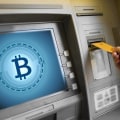
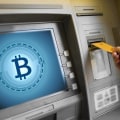
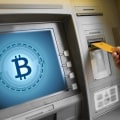
In recent years, the rise of cryptocurrencies has transformed the financial landscape, and among the most accessible ways to engage with these digital currencies is through a Bitcoin ATM. These machines serve as a bridge between traditional fiat currencies and the world of cryptocurrencies, allowing users to buy or sell Bitcoin quickly and conveniently. Unlike conventional ATMs that dispense cash, Bitcoin ATMs enable users to exchange their cash for Bitcoin or vice versa, making them an essential tool for both seasoned traders and newcomers alike.Understanding how Bitcoin ATMs work is crucial for anyone looking to utilize them. Typically, these machines require users to verify their identity through a two-factor authentication process, which may involve scanning a QR code from a digital wallet or entering a phone number.
Once verified, users can select the amount of Bitcoin they wish to purchase or sell. The machine then calculates the transaction based on current market rates, which can fluctuate significantly. This real-time pricing is one of the key features that set Bitcoin ATMs apart from online exchanges.However, it’s important to note that using a Bitcoin ATM often comes with associated fees. These fees can vary widely depending on the operator and location of the machine.
While some ATMs may charge a modest fee of around 11% to 12%, others can impose charges exceeding 25%. This variability underscores the importance of understanding Bitcoin ATM fees before proceeding with a transaction. By familiarizing yourself with how these machines operate and the costs involved, you can make informed decisions that align with your financial goals.
What is a Bitcoin ATM?
A Bitcoin ATM is a specialized machine that allows users to buy or sell Bitcoin and, in some cases, other cryptocurrencies using cash or debit cards. Unlike traditional ATMs that dispense fiat currency, Bitcoin ATMs facilitate transactions in digital currencies, making them a convenient option for those looking to enter the cryptocurrency market.Definition and Functionality
At its core, a Bitcoin ATM functions as a bridge between the physical and digital worlds of currency.
Users can approach the machine, verify their identity, and execute transactions without needing to go through a centralized exchange. This process typically involves scanning a QR code from a digital wallet, entering the amount of Bitcoin they wish to purchase or sell, and completing the transaction with cash or a debit card.Most Bitcoin ATMs are designed to be user-friendly, featuring touch screens that guide users through each step of the process. The interface usually displays real-time exchange rates, allowing users to see how much Bitcoin they will receive for their cash or how much they will get in fiat currency when selling their Bitcoin.
Types of Bitcoin ATMs
- One-Way ATMs: These machines only allow users to buy Bitcoin. They are ideal for individuals who want to acquire cryptocurrency without the option of selling it back at the same machine.
- Two-Way ATMs: These versatile machines enable users to both buy and sell Bitcoin.
This feature is particularly beneficial for those who wish to convert their cryptocurrency back into cash.
Understanding Bitcoin ATM Fees
When considering the use of a Bitcoin ATM, understanding the associated fees is crucial for making informed financial decisions. These fees can vary significantly based on several factors, including the operator of the ATM, the location, and the specific transaction being conducted.On average, Bitcoin ATM fees typically range from 11% to 12% of the transaction amount.However, it is essential to note that some operators may charge fees exceeding 25%, which can substantially impact the total cost of acquiring Bitcoin. This variability often stems from the lack of transparency in fee structures among different Bitcoin ATM providers.To better understand these costs, let’s break down the primary components that influence Bitcoin ATM transaction costs :
- Operator Fees: Each Bitcoin ATM operator sets its own fee structure. Some may offer lower fees to attract more users, while others may charge higher rates based on their service quality or location.
- Location: ATMs situated in high-traffic areas or tourist destinations often have higher fees due to increased demand and operational costs.
- Transaction Type: One-way ATMs that only allow purchases may have different fee structures compared to two-way ATMs that facilitate both buying and selling of Bitcoin.
- Market Conditions: The current market price of Bitcoin can also affect fees. Some ATMs may charge a premium over the market rate, which can lead to higher overall costs for users.
This ensures that you are fully aware of any additional costs before completing your transaction. Additionally, comparing fees across different ATMs in your area can help you find a more cost-effective option.In conclusion, while Bitcoin ATM fees can be relatively high compared to online exchanges, they offer convenience and accessibility for users looking to purchase Bitcoin quickly. By understanding these fees and their influencing factors, you can make more informed choices when using a Bitcoin ATM.
How Much Does a Bitcoin ATM Charge Per $100?
When using a Bitcoin ATM, understanding the fee structure is crucial for determining how much you will actually pay for your transaction. Typically, Bitcoin ATMs charge a percentage fee based on the amount of Bitcoin you are purchasing.For instance, if you are looking to buy $100 worth of Bitcoin, the fees can vary significantly depending on the operator and location of the ATM.On average, most Bitcoin ATMs charge between 11% and 12% in fees. This means that for a $100 transaction, you could expect to pay around $11 to $12 in fees alone. However, it’s important to note that some operators may charge even higher fees, with reports indicating that certain ATMs can impose charges exceeding 25%. Therefore, it’s essential to check the specific fee structure of the ATM you plan to use.To illustrate this further, let’s break down a few examples:
- Example 1: If a Bitcoin ATM charges a 12% fee, purchasing $100 worth of Bitcoin would result in a total cost of $112.
- Example 2: At an ATM with a 15% fee, your total cost for the same $100 purchase would be $115.
- Example 3: Conversely, if you find an ATM with a lower fee of 8% , your total cost would only be $108.
This means that the price at which you buy Bitcoin could be higher than the market rate. Therefore, it’s advisable to compare the rates displayed on different ATMs before making your purchase.Before proceeding with any transaction at a Bitcoin ATM, always read the displayed instructions carefully. Each machine may have its own unique fee structure and terms of service. By being informed about these charges upfront, you can make better financial decisions and avoid unexpected costs.In summary, while the average fee for using a Bitcoin ATM is around 11% to 12% , it is vital to do your research and understand the specific charges associated with each machine.
This knowledge will help you maximize your investment and minimize unnecessary expenses when buying Bitcoin.
Factors Influencing Bitcoin ATM Fees
When considering the fees associated with using a Bitcoin ATM, it’s essential to understand the various factors that can influence these costs. The fees can vary significantly based on several key elements, which can ultimately affect how much you pay per $100 transaction.- Location: The geographical location of the Bitcoin ATM plays a crucial role in determining the fees. ATMs situated in high-traffic areas, such as shopping malls or tourist attractions, often charge higher fees due to increased demand and operational costs. Conversely, machines located in less frequented areas may offer lower fees to attract more users.
- Demand and Supply: The demand for Bitcoin in a particular area can also impact ATM fees.
In regions where cryptocurrency adoption is high, operators may charge more due to the increased willingness of users to pay for convenience. Conversely, in areas with lower demand, operators might reduce fees to encourage usage.
- Machine Type: There are two primary types of Bitcoin ATMs: one-way and two-way machines. One-way ATMs only allow users to purchase Bitcoin, while two-way ATMs enable both buying and selling. Typically, two-way ATMs may have higher fees due to the added functionality and complexity involved in facilitating both transactions.
- Operator Fees: Different operators have varying fee structures.
Some may charge a flat fee per transaction, while others implement a percentage-based fee that fluctuates with the market price of Bitcoin. It’s important to check the specific fee structure of the ATM you plan to use, as this can significantly affect your overall cost.
- Market Conditions: The current market conditions for Bitcoin can also influence ATM fees. During periods of high volatility or increased trading activity, operators may adjust their fees accordingly to mitigate risk or capitalize on market trends.
Comparing Bitcoin ATM Fees to Other Methods of Buying Bitcoin
When considering how to purchase Bitcoin, understanding the associated fees is crucial.Bitcoin ATMs offer a convenient way to buy Bitcoin, but their fees can be significantly higher than other methods. To make an informed decision, let’s compare the costs of using a Bitcoin ATM with those of online exchanges and other purchasing alternatives.
Bitcoin ATM Fees
- Typically range from 11% to 12% , but can exceed 25% in some cases.
- Fees are often displayed on the ATM screen before the transaction is completed.
- Users must also consider potential additional charges for cash withdrawals or deposits.
Online Exchanges
- Generally charge lower fees, often between 0.1% and 1% , depending on the platform and trading volume.
- Many exchanges offer tiered fee structures, rewarding higher volume traders with reduced rates.
- Some platforms may charge withdrawal fees when transferring Bitcoin to an external wallet.
Buying Alternatives
- P2P Platforms: Peer-to-peer platforms allow users to buy Bitcoin directly from others, often with lower fees. However, users should be cautious and ensure they are trading with reputable individuals.
- Broker Services: These services simplify the buying process but may charge higher fees than exchanges. They typically provide a user-friendly interface for beginners.
- Bank Transfers: Some banks allow direct purchases of Bitcoin through their services, which can be cost-effective but may involve longer processing times.
Cost Comparison Summary
The choice between a Bitcoin ATM and other purchasing methods largely depends on your priorities.
If you value convenience and speed, a Bitcoin ATM might be suitable despite its higher fees. However, if you are looking to minimize costs, online exchanges or P2P platforms are likely more economical options. Always evaluate the total cost of each method, including any hidden fees, to ensure you make the best financial decision for your Bitcoin purchase.
Tips for Using Bitcoin ATMs Wisely
Using a Bitcoin ATM can be a convenient way to buy or sell cryptocurrency, but it’s essential to approach these machines with a strategy to minimize costs and maximize efficiency. Here are some practical tips to help you navigate Bitcoin ATMs wisely:- Research Fees in Advance: Before using a Bitcoin ATM, take the time to research the fees associated with different machines.
Some ATMs may charge significantly higher fees than others, sometimes exceeding 25%. Websites like CoinATMRadar can help you find nearby ATMs and their fee structures.
- Check the Exchange Rate: The price of Bitcoin can fluctuate rapidly. Ensure you check the current exchange rate displayed on the ATM before proceeding with your transaction. This will help you understand how much Bitcoin you will receive for your cash.
- Use Two-Way ATMs: If you plan to both buy and sell Bitcoin, look for two-way ATMs.
These machines allow you to convert your Bitcoin back into cash, often at a more favorable rate than one-way ATMs that only allow purchases.
- Verify Your Identity: Most Bitcoin ATMs require identity verification through a mobile app or by scanning your ID. Be prepared to complete this step, as it can save time and ensure a smoother transaction.
- Limit Your Transactions: To avoid high fees, consider breaking larger transactions into smaller amounts. Some ATMs have lower fees for transactions under a certain threshold, so it may be beneficial to make multiple smaller purchases instead of one large one.
- Be Aware of Location Fees: The location of the ATM can also impact fees. Machines located in convenience stores or tourist areas may charge higher fees due to increased foot traffic and convenience.
If possible, seek out ATMs in less trafficked areas.
- Read Instructions Carefully: Each Bitcoin ATM may have different operating procedures. Take a moment to read the on-screen instructions carefully before proceeding with your transaction to avoid mistakes that could lead to additional fees.
Frequently Asked Questions about Bitcoin ATMs
Bitcoin ATMs have gained popularity as a convenient way to buy and sell cryptocurrencies. However, many users have questions about their functionality, fees, and security.Below are some frequently asked questions that can help clarify common concerns regarding Bitcoin ATMs.
What is a Bitcoin ATM?
A Bitcoin ATM is a physical machine that allows users to purchase Bitcoin and sometimes other cryptocurrencies using cash or debit cards. Unlike traditional ATMs that dispense cash, Bitcoin ATMs facilitate cryptocurrency transactions, enabling users to buy or sell digital assets quickly.How much does it cost to use a Bitcoin ATM?
The fees associated with using a Bitcoin ATM can vary significantly. On average, users can expect to pay between 11% and 12% in transaction fees. However, some operators may charge fees exceeding 25%, depending on the location and the specific machine.It’s essential to check the fee structure displayed on the ATM before proceeding with a transaction.
Are Bitcoin ATMs safe to use?
Yes, Bitcoin ATMs are generally considered safe, especially when operated by reputable companies. These machines often incorporate security features such as two-factor authentication and encryption to protect user data. However, users should always exercise caution and ensure they are using machines in secure locations.Do I need an account to use a Bitcoin ATM?
No account is necessary to use most Bitcoin ATMs. Users typically need a digital wallet to receive their purchased Bitcoin.If you don’t have one, you can create a wallet on your smartphone or computer before using the ATM.
Can I sell Bitcoin at an ATM?
Many Bitcoin ATMs are two-way machines, meaning they allow users to both buy and sell Bitcoin. When selling, users can receive cash or transfer funds directly to their bank accounts, depending on the machine's capabilities.What identification do I need for a Bitcoin ATM?
Most Bitcoin ATMs require some form of identification for transactions above a certain amount. This could include scanning your driver's license or entering your phone number for verification purposes. Always check the specific requirements of the ATM you plan to use.Where can I find a Bitcoin ATM near me?
You can locate nearby Bitcoin ATMs using various online maps and directories dedicated to cryptocurrency services.Websites like CoinATMRadar provide up-to-date information on ATM locations, fees, and supported cryptocurrencies.By understanding these common questions about Bitcoin ATMs, users can navigate their cryptocurrency transactions more confidently and securely.
Conclusion: Key Takeaways on Bitcoin ATM Fees
In summary, understanding the fees associated with Bitcoin ATMs is crucial for anyone looking to engage in cryptocurrency transactions. The fees can vary significantly from one machine to another, often ranging from 11% to 12% , but some operators may charge upwards of 25%. This variability underscores the importance of doing your research before using a Bitcoin ATM.Here are some key takeaways regarding Bitcoin ATM fees:- Fee Structure: Most Bitcoin ATMs display their fees upfront, but not all do. Always check the fee structure before proceeding with a transaction.
- Transaction Limits: Many Bitcoin ATMs impose limits on how much you can buy or sell in a single transaction.
Familiarize yourself with these limits to avoid surprises.
- Real-Time Pricing: Bitcoin prices at ATMs are updated in real-time, reflecting current market conditions. This ensures that you are aware of the price you will pay at the moment of your transaction.
- Identity Verification: Most Bitcoin ATMs require users to verify their identity through two-factor authentication. Be prepared to provide necessary identification before making a purchase.
- Location Matters: The fees can also depend on the location of the ATM. Urban areas may have higher fees due to increased demand and operational costs.
Staying informed about the latest trends and fee structures will empower you to make better financial decisions when using these machines. Whether you are a seasoned trader or a newcomer to the world of cryptocurrency, understanding these key points will enhance your experience and help you navigate the complexities of Bitcoin transactions more effectively.In conclusion, while Bitcoin ATMs offer convenience and accessibility for buying and selling cryptocurrencies, it is essential to be aware of the associated costs and operational nuances. By doing so, you can maximize your investment and minimize unnecessary expenses.