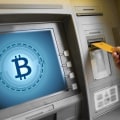
Bitcoin ATMs, often referred to as BTMs, are specialized kiosks that allow users to buy or sell Bitcoin and other cryptocurrencies using cash or debit cards. These machines have emerged as a convenient alternative to traditional cryptocurrency exchanges, providing a user-friendly interface for both seasoned investors and newcomers alike. The primary purpose of a Bitcoin ATM is to facilitate quick and easy transactions, enabling users to convert their fiat currency into digital assets without the need for extensive verification processes typically associated with online exchanges.Understanding how Bitcoin ATMs work is essential for anyone looking to engage in cryptocurrency transactions. When a user approaches a BTM, they are usually greeted by a touchscreen interface that guides them through the transaction process.
To purchase Bitcoin, users typically need to enter their wallet address, which can be scanned via a QR code. After inserting cash or swiping a debit card, the machine processes the transaction and dispenses the purchased Bitcoin directly into the user's wallet. This seamless process is one of the reasons why Bitcoin ATMs are gaining popularity across various locations.As the adoption of cryptocurrencies continues to grow, so does the presence of Bitcoin ATMs in urban areas and beyond. You can find these machines in convenience stores, shopping malls, airports, and even some banks.
The increasing number of Bitcoin ATM locations reflects a broader trend towards mainstream acceptance of digital currencies. Users appreciate the accessibility and anonymity that these machines offer, making it easier than ever to engage with the world of cryptocurrency.
Do Bitcoin ATMs Require ID?
When it comes to using Bitcoin ATMs, one of the most frequently asked questions is whether identification is required. The answer is not straightforward, as it largely depends on the specific operator and the regulations in place in the area where the ATM is located.Many Bitcoin ATMs do not require users to present identification for smaller transactions. This is particularly appealing for those who value privacy and wish to maintain a degree of anonymity while engaging in cryptocurrency transactions.However, there are limits to how much Bitcoin you can purchase without providing ID. Typically, these limits can range from $500 to $1,000 per transaction, depending on the operator's policies.Some operators may implement a Know Your Customer (KYC ) process, which requires users to verify their identity through various means. This could include:
- Providing a phone number for SMS verification
- Entering a social security number
- Using biometric data such as fingerprints or facial recognition
In some jurisdictions, stricter laws may mandate that all cryptocurrency transactions be accompanied by identification, while others may be more lenient. This inconsistency can lead to confusion for users trying to navigate the landscape of Bitcoin ATMs.In summary, while many Bitcoin ATMs do not require ID for smaller purchases, it’s essential to check the specific requirements of the ATM you plan to use. Understanding these policies can help you make informed decisions and ensure a smoother transaction experience.
Types of Identification Required by Bitcoin ATMs
When using a Bitcoin ATM, the identification requirements can vary significantly depending on the operator and the specific machine. Understanding these requirements is crucial for users who wish to maintain their privacy while engaging in cryptocurrency transactions.Here are some common types of identification that may be required:- SMS Verification: Many Bitcoin ATMs utilize SMS verification as a quick and straightforward method of confirming a user's identity.
This process typically involves entering a mobile phone number, after which a verification code is sent via text message. Users must input this code into the ATM to proceed with their transaction.
- Government-Issued ID: Some Bitcoin ATMs may require users to present a government-issued identification document, such as a driver’s license or passport. This requirement is more common in machines that allow for larger transactions, as operators seek to comply with regulatory standards.
- Social Security Number (SSN): In certain jurisdictions, particularly in the United States, some Bitcoin ATMs may ask for a Social Security Number as part of their verification process. This is often aimed at ensuring compliance with anti-money laundering (AML) regulations.
- Biometric Data: A growing number of advanced Bitcoin ATMs are incorporating biometric verification methods, such as fingerprint scanning or facial recognition.
These technologies enhance security and can streamline the identification process, although they may raise privacy concerns for some users.
The Role of Anonymity in Bitcoin Transactions
Anonymity plays a crucial role in the world of Bitcoin transactions, serving as a cornerstone for many users who prioritize privacy. The decentralized nature of Bitcoin allows individuals to engage in transactions without revealing their identities, which is particularly appealing in an era where data privacy is increasingly under threat.When it comes to Bitcoin ATMs , the level of anonymity can vary significantly depending on the operator and the regulations in place.Some ATMs are designed to facilitate anonymous transactions, allowing users to buy Bitcoin without providing personal information. This is often achieved through minimal verification processes, such as SMS confirmation or even cash transactions, which do not require any identification.However, it is essential to understand that while many Bitcoin ATMs offer a degree of anonymity, they still operate within a regulatory framework that aims to prevent illicit activities. For instance, some operators may implement Know Your Customer (KYC ) protocols for larger transactions or in jurisdictions with stricter regulations. This means that while smaller purchases might not require ID, larger amounts could trigger a need for verification.Moreover, the balance between anonymity and compliance is delicate.
Operators must ensure they are not facilitating money laundering or other illegal activities while still catering to users who value their privacy. This has led to the development of various technologies and methods that enhance user privacy without compromising legal obligations.For example, some Bitcoin ATMs allow users to generate a paper wallet if they do not have a digital wallet address. This feature not only enhances privacy but also provides a tangible way for users to store their Bitcoin securely. Additionally, certain ATMs may offer options for users to conduct transactions without linking them directly to their personal information.In conclusion, while anonymity in Bitcoin transactions is highly valued by many users, it is essential to navigate the landscape carefully.
Understanding the specific policies of different Bitcoin ATMs can help users make informed decisions about how they wish to engage with cryptocurrency while maintaining their desired level of privacy.
Regulatory Landscape for Bitcoin ATMs in the U. S.
The regulatory landscape for Bitcoin ATMs in the United States is complex and varies significantly from state to state. As cryptocurrencies gain popularity, regulators are increasingly focused on establishing frameworks that govern their use, including the operation of Bitcoin ATMs. This section delves into the various regulations that impact these machines and how they influence identification requirements for users.In general, Bitcoin ATMs are subject to both federal and state regulations.At the federal level, the Financial Crimes Enforcement Network (FinCEN) classifies operators of Bitcoin ATMs as money services businesses (MSBs). This classification requires them to comply with anti-money laundering (AML) laws and implement a Know Your Customer (KYC) process. However, the extent of KYC requirements can differ based on state laws.For instance, some states like New York have stringent regulations that mandate Bitcoin ATM operators to obtain a BitLicense. This license requires comprehensive KYC procedures, including identity verification through government-issued IDs.
In contrast, states such as Texas and Florida have less restrictive regulations, allowing operators more flexibility in their KYC processes.The variation in state laws means that users may encounter different identification requirements when using Bitcoin ATMs across the country. In states with strict regulations, users may need to provide personal information such as their name, address, and even biometric data. Conversely, in states with looser regulations, some ATMs may allow transactions without any form of ID for smaller amounts.This regulatory patchwork can create confusion for users who are unfamiliar with the specific laws in their state. It is essential for individuals to research local regulations before using a Bitcoin ATM to understand what identification may be required.
Additionally, operators must stay informed about changing regulations to ensure compliance and avoid potential legal issues.In summary, while Bitcoin ATMs offer a convenient way to buy cryptocurrency, the regulatory environment surrounding them is anything but uniform. Users should be aware of the varying KYC requirements based on their location to navigate this landscape effectively.
How to Use a Bitcoin ATM Without ID
Using a Bitcoin ATM without providing identification is a straightforward process, especially for those who prefer to maintain their privacy. Here are some practical steps and tips to help you navigate this process effectively.1.Locate a Bitcoin ATM
- Start by finding a Bitcoin ATM in your vicinity. Websites like CoinATMRadar can help you locate ATMs that suit your needs.
- Check the specific machine's requirements, as some may have different policies regarding ID verification.
2.Prepare for Cash Transactions
- Most Bitcoin ATMs allow you to purchase Bitcoin using cash, which is one of the easiest ways to remain anonymous.
Ensure you have sufficient cash on hand before heading to the ATM.
- When using cash, avoid depositing large amounts in one transaction, as this may trigger additional scrutiny or verification requirements.
3.Use Your Mobile Wallet
- Before visiting the ATM, set up a cryptocurrency wallet on your mobile device if you haven't already. This wallet will be used to receive the Bitcoin you purchase.
- Make sure your wallet is ready to scan QR codes, as most ATMs will require you to input your wallet address via a QR code scan.
4.Follow the ATM Instructions
- Once at the ATM, follow the on-screen instructions carefully. Most machines will guide you through the process step-by-step.
- Select the option to buy Bitcoin and enter the amount you wish to purchase.
- The machine will prompt you to scan your wallet's QR code or enter your wallet address manually.
5.Complete Your Transaction
- Insert your cash into the machine when prompted. The ATM will convert your cash into Bitcoin and send it directly to your wallet.
- After completing the transaction, ensure that you receive a receipt or confirmation of your purchase for your records.
Alternative Methods for Purchasing Bitcoin Anonymously
- If you're looking for additional ways to buy Bitcoin without ID, consider peer-to-peer platforms where transactions can be conducted directly between users.
- You can also explore using other cryptocurrencies as intermediaries before converting them into Bitcoin, which can add an extra layer of anonymity.
Pros and Cons of Using Bitcoin ATMs
When considering the use of Bitcoin ATMs, it’s essential to evaluate both the advantages and disadvantages they present compared to other methods of purchasing cryptocurrency.This analysis can help potential users make informed decisions based on their specific needs and circumstances.
Advantages of Using Bitcoin ATMs
- Convenience: Bitcoin ATMs are often located in easily accessible places such as shopping malls, convenience stores, and gas stations. This allows users to buy Bitcoin on the go without needing to access a computer or smartphone.
- Anonymity: Many Bitcoin ATMs allow users to purchase cryptocurrency without extensive identification requirements. This feature appeals to those who prioritize privacy and wish to keep their transactions discreet.
- Instant Transactions: Transactions at Bitcoin ATMs are typically processed quickly, allowing users to receive their Bitcoin almost immediately after completing the purchase.
- Cash Transactions: For individuals who prefer using cash, Bitcoin ATMs provide a straightforward way to buy cryptocurrency without linking bank accounts or credit cards.
- User-Friendly Interface: Most Bitcoin ATMs are designed with a simple interface that guides users through the purchasing process, making it accessible even for those who may not be tech-savvy.
Disadvantages of Using Bitcoin ATMs
- Higher Fees: One of the most significant drawbacks of using Bitcoin ATMs is the transaction fees, which can be considerably higher than those found on online exchanges. Users should be prepared for this added cost when purchasing Bitcoin.
- Limited Availability: While the number of Bitcoin ATMs is growing, they are still not as widely available as traditional banking ATMs.
Users in rural or less populated areas may find it challenging to locate a nearby machine.
- Purchase Limits: Many Bitcoin ATMs impose limits on the amount of cryptocurrency that can be purchased in a single transaction or within a specific timeframe. This restriction can be inconvenient for users looking to make larger investments.
- Potential for Technical Issues: Like any technology, Bitcoin ATMs can experience malfunctions or outages, which may prevent users from completing their transactions when needed.
Frequently Asked Questions About Bitcoin ATMs and ID Requirements
As Bitcoin ATMs become increasingly popular, many users have questions regarding their operation, particularly concerning identification requirements. Below are some of the most frequently asked questions about Bitcoin ATMs and whether ID is necessary for transactions.1.Do all Bitcoin ATMs require ID?
No, not all Bitcoin ATMs require identification.The requirement for ID varies by operator and local regulations. Some ATMs may allow users to purchase Bitcoin without any form of identification, while others may require a phone number or even more detailed personal information.
2.What types of identification might be required?
When identification is required, it can range from minimal to extensive. Common forms of ID that may be requested include:- Phone number verification via SMS
- Government-issued photo ID (like a driver's license or passport)
- Social Security Number (SSN)
- Biometric data such as fingerprints
3.Are there limits on transactions without ID?
Yes, many Bitcoin ATMs impose limits on the amount of Bitcoin you can purchase without providing identification. These limits are often set to comply with anti-money laundering (AML) regulations and can vary significantly between different ATM operators.4.Can I remain anonymous when using a Bitcoin ATM?
While some Bitcoin ATMs allow for anonymous transactions, it is essential to understand that complete anonymity is challenging to achieve.Smaller transactions typically require less verification, which can enhance privacy. However, larger purchases may necessitate some form of identification.
5.How do I find a Bitcoin ATM that doesn’t require ID?
To locate a Bitcoin ATM that does not require identification, you can use online resources such as:- Bitcoin ATM map websites
- Local cryptocurrency forums
- Community groups on social media platforms
6.What should I do if I don’t have an ID?
If you do not have an ID and wish to use a Bitcoin ATM, consider looking for machines that allow cash transactions without verification. Additionally, some ATMs may offer the option to generate a paper wallet if you do not have a cryptocurrency wallet address.Understanding these common questions can help you navigate the world of Bitcoin ATMs more effectively and make informed decisions about your cryptocurrency transactions.Conclusion: Navigating the World of Bitcoin ATMs
As we conclude our exploration of Bitcoin ATMs and their identification requirements, it is essential to reflect on the key points discussed throughout this guide. The landscape of cryptocurrency transactions is continually evolving, and understanding the nuances of using Bitcoin ATMs can significantly enhance your experience.First and foremost, it is crucial to recognize that not all Bitcoin ATMs require identification.While some operators may implement stringent Know Your Customer (KYC) protocols, others offer a more lenient approach, allowing users to purchase Bitcoin with minimal verification. This flexibility can be particularly appealing for those who value their privacy and wish to maintain a degree of anonymity in their transactions.However, it is important to note that the lack of ID requirements often comes with limitations. Many Bitcoin ATMs impose caps on the amount of cryptocurrency you can buy without providing personal information. These restrictions are typically in place to comply with local regulations and mitigate potential risks associated with money laundering and fraud.Moreover, while the convenience of using a Bitcoin ATM is undeniable, users should remain vigilant about the security measures in place.
Operators like Pelicoin prioritize user data protection by storing information on dedicated servers, which enhances the overall safety of transactions. Always ensure that you are using a reputable ATM provider to safeguard your personal information.In addition to understanding the operational aspects of Bitcoin ATMs, it is vital to stay informed about the regulatory environment surrounding cryptocurrency in your jurisdiction. Laws and regulations can vary significantly from one region to another, impacting how Bitcoin ATMs function and what identification may be required.In summary, navigating the world of Bitcoin ATMs requires a balanced approach—one that weighs the benefits of convenience against the need for security and compliance. By staying informed about the requirements and limitations associated with these machines, you can make educated decisions that align with your financial goals and privacy preferences.Ultimately, whether you choose to use a Bitcoin ATM or explore other avenues for purchasing cryptocurrency, being aware of your options will empower you in your journey through the dynamic realm of digital currencies.