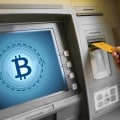
In recent years, the rise of cryptocurrencies has transformed the financial landscape, and at the forefront of this revolution are Bitcoin ATMs. These automated machines allow users to buy and sell Bitcoin and other cryptocurrencies with ease, bridging the gap between traditional cash transactions and digital currencies. But what exactly is a Bitcoin ATM, and how does it function? Understanding these machines is crucial for anyone looking to navigate the world of cryptocurrency.A Bitcoin ATM is a kiosk that enables users to exchange cash for Bitcoin or withdraw cash by selling their Bitcoin. Unlike traditional ATMs that are linked to bank accounts, Bitcoin ATMs operate independently and connect directly to the blockchain.
This means that transactions can be completed quickly, often within minutes, making them an attractive option for those who want immediate access to their funds. The process typically involves scanning a QR code linked to a digital wallet, entering the amount of cryptocurrency to buy or sell, and completing the transaction with cash or a bank card.Understanding how a Bitcoin ATM works is essential for maximizing its benefits. When you approach a Bitcoin ATM, you will first need to select whether you want to buy or sell cryptocurrency. If you're purchasing Bitcoin, you'll input the amount you wish to buy, after which the machine will generate a QR code representing your digital wallet address.
You can then insert cash into the machine, which will be converted into Bitcoin and sent directly to your wallet. Conversely, if you're selling Bitcoin, you'll need to send your cryptocurrency to the wallet address provided by the ATM before receiving cash in return.Overall, Bitcoin ATMs offer a convenient and user-friendly way to engage with cryptocurrencies. They cater not only to seasoned investors but also to newcomers who may find traditional exchanges daunting. As more people become interested in digital currencies, understanding how these machines work will empower users to take full advantage of their capabilities.
How to Find a Bitcoin ATM Near You
Finding a Bitcoin ATM near you is a straightforward process, thanks to various tools and resources available online.Here are some effective methods to help you locate the nearest Bitcoin ATM:
- Online Maps: One of the easiest ways to find a Bitcoin ATM is by using online mapping services like Google Maps. Simply enter "Bitcoin ATM" in the search bar, and the map will display all nearby ATMs along with their addresses, operating hours, and user reviews. This method allows you to see the exact location and get directions easily.
- Bitcoin ATM Finder Websites: There are dedicated websites that specialize in listing Bitcoin ATMs. Websites like CoinATMRadar provide comprehensive maps showing the locations of Bitcoin ATMs worldwide.
You can filter results based on your location, the type of transactions supported (buying or selling), and even the fees associated with each machine.
- Mobile Apps: Several mobile applications are designed to help users find Bitcoin ATMs quickly. Apps such as Mycelium and CoinATMRadar not only show nearby ATMs but also provide real-time information about their status, including whether they are operational or out of service. Downloading one of these apps can make your search more convenient.
- Social Media and Community Forums: Engaging with cryptocurrency communities on platforms like Reddit or Twitter can also yield valuable information about local Bitcoin ATMs. Users often share their experiences and can recommend specific locations that may not be listed on traditional maps.
Setting Up Your Bitcoin Wallet
Before you can successfully use a Bitcoin ATM to convert your cryptocurrency into cash, it is essential to have a Bitcoin wallet set up.A Bitcoin wallet serves as a digital bank account where you can store, send, and receive Bitcoin securely. Without a wallet, you won't be able to complete transactions at the ATM.Here’s a step-by-step guide on how to create your own Bitcoin wallet:
- Choose the Type of Wallet: There are several types of Bitcoin wallets available, each with its own advantages and disadvantages:
- Software Wallets: These are applications that you can install on your computer or smartphone. They are user-friendly and convenient for everyday transactions.
- Hardware Wallets: These are physical devices that store your Bitcoin offline, providing enhanced security against hacks. They are ideal for long-term storage.
- Web Wallets: These wallets are hosted online and can be accessed from any device with internet connectivity.
While they offer convenience, they may be less secure than other options.
- Paper Wallets: This is a physical printout of your public and private keys. It is highly secure but requires careful handling to avoid loss or damage.
- Create Your Wallet: Once you’ve chosen the type of wallet that suits your needs, follow the instructions provided by the wallet provider to create your account. This usually involves downloading software or signing up on a website.
- Secure Your Wallet: After setting up your wallet, it’s crucial to enhance its security. Enable two-factor authentication (2FA) if available, and consider backing up your wallet by saving your recovery phrase in a safe place.
- Add Funds: To use your wallet for transactions at a Bitcoin ATM, you’ll need to add some Bitcoin.
You can purchase Bitcoin through exchanges or receive it from other users.
Using a Bitcoin ATM: Step-by-Step Process
Withdrawing cash from a Bitcoin ATM can seem daunting at first, especially for those who are new to cryptocurrency. However, the process is straightforward and can be completed in just a few simple steps. Below is a detailed guide to help you navigate the Bitcoin ATM withdrawal process with ease.- Find a Bitcoin ATM: Start by locating a nearby Bitcoin ATM.
You can use online maps or dedicated apps that show the locations of Bitcoin ATMs. Ensure that the machine you choose supports cash withdrawals.
- Create an Account: If you haven’t already, you will need to create an account with a cryptocurrency exchange or wallet service that is compatible with the ATM. This step is crucial as it allows you to manage your Bitcoin and other cryptocurrencies.
- Log In: Once you arrive at the Bitcoin ATM, follow the on-screen instructions to log into your account. This usually involves scanning a QR code from your mobile wallet or entering your account details directly on the machine.
- Select Withdrawal Option: After logging in, choose the option to withdraw cash.
The interface will guide you through selecting the amount of cryptocurrency you wish to exchange for cash.
- Enter Amount: Specify how much cash you want to withdraw. The ATM will display the equivalent amount of Bitcoin needed for this transaction based on current market rates.
- Confirm Transaction: The ATM will generate a QR code linked to your wallet address. You will need to send the specified amount of Bitcoin to this address. Use your mobile wallet app to scan the QR code and confirm the transaction.
- Wait for Confirmation: After sending your Bitcoin, the transaction will be processed on the blockchain.
Depending on network congestion, this may take a few minutes. For larger amounts, it could take longer, but you will receive a notification once it’s confirmed.
- Collect Your Cash: Once your transaction is confirmed, return to the ATM and redeem your receipt for cash. The machine will dispense the amount you requested, completing your withdrawal process.
Transaction Fees and Limits at Bitcoin ATMs
When using a Bitcoin ATM, it’s crucial to understand the associated transaction fees and limits that can impact your overall experience.These factors can vary significantly between different machines and operators, so being informed can help you make better financial decisions.
Understanding Bitcoin ATM Fees
Transaction fees at Bitcoin ATMs are typically higher than those found on traditional cryptocurrency exchanges. This is primarily due to the convenience and immediacy that these machines offer. Here are some key points to consider:- Fee Structure: Most Bitcoin ATMs charge a percentage of the transaction amount as a fee, which can range from 5% to 15%. This fee is often displayed on the screen before you complete your transaction.
- Fixed Fees: In addition to percentage-based fees, some ATMs may impose a fixed fee for transactions, which can vary by location.
Always check the fee structure before proceeding.
- Dynamic Fees: Some operators adjust their fees based on market conditions or network congestion. This means that fees can fluctuate, so it’s wise to check multiple ATMs if you’re looking for the best rate.
Transaction Limits at Bitcoin ATMs
In addition to fees, transaction limits are another important aspect to consider when using a Bitcoin ATM. These limits can affect how much cash you can withdraw or deposit in a single transaction:- Daily Limits: Many Bitcoin ATMs impose daily withdrawal limits, which can range from $1,000 to $10,000 or more, depending on the machine and its operator. This is particularly relevant for users who wish to conduct larger transactions.
- Single Transaction Limits: There may also be limits on how much you can withdraw in one go.
For instance, some machines may cap withdrawals at $500 or $1,000 per transaction.
- ID Verification: To increase withdrawal limits, some ATMs require users to complete an identity verification process. This may involve scanning your ID or providing personal information.
Common Issues and Troubleshooting Tips
Using a Bitcoin ATM can be a straightforward process, but like any technology, issues can arise. Understanding common problems and how to troubleshoot them can enhance your experience and confidence when using these machines.Below are some frequent issues users encounter and tips on how to resolve them.
- Transaction Delays: One of the most common issues is experiencing delays in transactions. This can happen due to network congestion or low transaction fees. If your transaction is taking longer than expected, check the status on the blockchain using a block explorer. If it remains unconfirmed for an extended period, you may need to contact customer support for assistance.
- ATM Out of Service: Occasionally, a Bitcoin ATM may be out of service due to maintenance or technical issues.
If you arrive at an ATM and it displays an error message or is unresponsive, try locating another nearby machine using a Bitcoin ATM map app or website.
- Incorrect Cash Dispensation: If the ATM fails to dispense the correct amount of cash, first check your transaction receipt for accuracy. If there’s a discrepancy, take a photo of the receipt and contact the ATM operator’s customer service immediately. They may require this information to investigate the issue.
- Failed QR Code Scans: Sometimes, users may have trouble scanning their wallet's QR code at the ATM. Ensure that your phone's screen is clean and bright enough for the scanner to read it.
If scanning continues to fail, manually enter your wallet address if the option is available.
- Account Verification Issues: Some Bitcoin ATMs require user verification before allowing transactions. If you encounter problems during this process, ensure that you have all necessary identification documents ready and that they meet the ATM's requirements. If issues persist, consult the customer support of the ATM provider.
Safety and Security Considerations When Using Bitcoin ATMs
When using a Bitcoin ATM, ensuring the safety and security of your transactions is paramount.As cryptocurrency continues to gain popularity, so does the risk of fraud and theft. Here are some essential safety measures to consider when using these machines.
Choose a Reputable Bitcoin ATM Provider
Before you even approach a Bitcoin ATM, it’s crucial to select a machine operated by a reputable provider. Look for well-known companies that have established a positive reputation in the cryptocurrency community. Research user reviews and check for any reported security incidents associated with the provider.Verify the Location
Always use Bitcoin ATMs located in safe, well-lit areas.Avoid machines in isolated or poorly monitored locations, as these can be hotspots for criminal activity. If possible, visit during busy hours when there are more people around.
Protect Your Personal Information
When using a Bitcoin ATM, you may be required to provide personal information, such as your phone number or email address. Ensure that you are comfortable sharing this information and that the machine is secure. Avoid using public Wi-Fi networks when accessing your cryptocurrency wallet or making transactions, as these can be vulnerable to hackers.Use Two-Factor Authentication
If your cryptocurrency wallet supports it, enable two-factor authentication (2FA).This adds an extra layer of security by requiring a second form of verification, such as a text message code or an authentication app, before you can access your funds.
Be Aware of Scams
Scammers often target individuals using Bitcoin ATMs. Be cautious of anyone who approaches you while you are using the machine, especially if they offer unsolicited help or advice. Always trust your instincts; if something feels off, it’s better to walk away.Keep Your Wallet Secure
Your cryptocurrency wallet is the key to your funds. Use strong passwords and consider hardware wallets for added security.Regularly update your wallet software to protect against vulnerabilities.
Monitor Your Transactions
After completing a transaction at a Bitcoin ATM, keep an eye on your wallet balance and transaction history. If you notice any unauthorized transactions, report them immediately to your wallet provider and local authorities.By following these safety measures, you can significantly reduce the risks associated with using Bitcoin ATMs. Always prioritize security to protect your funds and personal information while enjoying the convenience of cryptocurrency transactions.Frequently Asked Questions About Bitcoin ATMs
As Bitcoin ATMs become increasingly popular, many users have questions about their functionality, security, and overall experience. Below are some of the most frequently asked questions regarding Bitcoin ATMs, along with clear and concise answers to help you navigate this innovative technology.What is a Bitcoin ATM?
A Bitcoin ATM is a physical machine that allows users to buy or sell Bitcoin and other cryptocurrencies using cash or debit cards.Unlike traditional ATMs that dispense fiat currency, Bitcoin ATMs facilitate cryptocurrency transactions, enabling users to convert their digital assets into cash or vice versa.
How do I find a Bitcoin ATM near me?
Finding a Bitcoin ATM is straightforward. You can use online resources such as CoinATMRadar, which provides an interactive map showing the locations of Bitcoin ATMs worldwide. Simply enter your location, and the site will display nearby machines along with their operational status and supported cryptocurrencies.Are Bitcoin ATMs safe to use?
Yes, Bitcoin ATMs are generally safe to use, especially if you choose machines from reputable providers. However, it’s essential to take precautions such as:- Using secure wallets: Ensure your cryptocurrency wallet is secure and up-to-date.
- Verifying the machine: Check for any signs of tampering or unusual behavior at the ATM.
- Being aware of fees: Understand the transaction fees associated with using the ATM, as they can vary significantly between providers.
What identification do I need to use a Bitcoin ATM?
The identification requirements for using a Bitcoin ATM can vary by machine and location.Some ATMs may require you to scan your government-issued ID or provide a phone number for verification. Always check the specific requirements at your chosen ATM before proceeding with your transaction.
How long does it take to complete a transaction at a Bitcoin ATM?
The time it takes to complete a transaction at a Bitcoin ATM can vary based on several factors, including network congestion and the amount being transacted. Typically, smaller transactions are processed quickly, often within minutes. However, larger transactions may require additional time for blockchain confirmation.Can I sell Bitcoin at an ATM?
Yes, many Bitcoin ATMs are two-way machines that allow users to both buy and sell Bitcoin.To sell Bitcoin, you will need to follow the prompts on the machine, which usually involve scanning your wallet QR code and entering the amount you wish to sell. After confirming the transaction, you will receive cash from the machine once the transaction is verified on the blockchain.By understanding these common questions about Bitcoin ATMs, users can feel more confident in utilizing this convenient method for buying and selling cryptocurrencies.
Conclusion: The Future of Cash Withdrawals with Bitcoin ATMs
As we look towards the future of financial transactions, Bitcoin ATMs are poised to play an increasingly significant role in how individuals access cash and engage with cryptocurrency. The convenience and speed offered by these machines make them an attractive option for both seasoned crypto enthusiasts and newcomers alike.Throughout this article, we have explored the straightforward process of withdrawing cash from a Bitcoin ATM, highlighting its efficiency and user-friendly interface. With just a few simple steps, users can convert their digital assets into physical currency, making it easier than ever to manage their finances in a rapidly evolving economic landscape.Moreover, the growing network of Bitcoin ATMs across the United States and globally signifies a shift in how people perceive and utilize cryptocurrency.As more individuals become aware of the benefits of using Bitcoin ATMs, we can expect to see an increase in adoption rates. This trend is not only beneficial for users but also for businesses that accept cryptocurrency as a form of payment.In addition to providing quick access to cash, Bitcoin ATMs also offer a level of privacy that traditional banking methods may lack. Users can conduct transactions without the need for extensive personal information, which is particularly appealing in today’s digital age where data privacy is a growing concern.As technology continues to advance, we can anticipate further enhancements in the functionality of Bitcoin ATMs. Future developments may include improved transaction speeds, lower fees, and even more user-friendly interfaces.
These innovations will likely attract a broader audience, making cryptocurrency more accessible to everyone.In conclusion, the rise of Bitcoin ATMs represents a significant milestone in the integration of cryptocurrency into everyday financial transactions. By embracing this technology, users can enjoy the benefits of quick cash withdrawals while participating in the evolving world of digital currencies. As we move forward, it is essential for individuals to consider how they can leverage these machines to enhance their financial strategies and stay ahead in an increasingly digital economy.