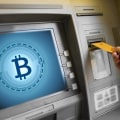
Bitcoin ATMs, often referred to as cryptocurrency ATMs, have emerged as a popular method for individuals to buy and sell Bitcoin and other cryptocurrencies. These machines function similarly to traditional ATMs, allowing users to conduct transactions without the need for a bank account or intermediary. Instead, they connect directly to a user's digital wallet, facilitating the exchange of cash for cryptocurrency or vice versa. This accessibility has made Bitcoin ATMs an attractive option for both seasoned investors and newcomers to the world of digital currencies.Understanding how Bitcoin machines operate is essential for anyone considering using them.
Typically, users approach the ATM, select the cryptocurrency they wish to purchase, and input the amount. The machine then provides a QR code that users scan with their mobile wallets to complete the transaction. While this process is straightforward, it is crucial to be aware of the fees associated with these transactions, as they can significantly impact the overall cost of acquiring cryptocurrency.The fees charged by Bitcoin ATMs can vary widely, often ranging from 4% to over 20%, depending on the operator and location. This variability can be surprising for first-time users who may be accustomed to lower fees associated with online exchanges.
Therefore, understanding the fee structure is vital for making informed decisions when using these machines. In this article, we will delve deeper into the various factors that influence Bitcoin ATM fees and provide insights on how to navigate this landscape effectively.
What Are Bitcoin ATMs?
Bitcoin ATMs, often referred to as BTMs, are specialized machines that allow users to buy and sell Bitcoin and other cryptocurrencies using cash or debit cards. Unlike traditional ATMs, which are linked to bank accounts and dispense fiat currency, Bitcoin ATMs connect directly to the blockchain, enabling users to interact with digital currencies in a straightforward manner.At their core, Bitcoin ATMs function as kiosks that facilitate cryptocurrency transactions. When a user approaches a Bitcoin ATM, they can choose to either purchase Bitcoin or sell it.The process typically involves scanning a QR code from a digital wallet, entering the amount of cryptocurrency they wish to buy or sell, and completing the transaction by inserting cash or using a debit card. The machine then processes the transaction on the blockchain, allowing for immediate access to the purchased cryptocurrency.One of the key differences between Bitcoin ATMs and traditional ATMs is their operational framework. Traditional ATMs are designed primarily for cash withdrawals and deposits linked to bank accounts. In contrast, Bitcoin ATMs do not require a bank account; instead, they provide direct access to cryptocurrency markets.
This makes them particularly appealing for individuals who may not have access to traditional banking services or prefer the anonymity that comes with using cryptocurrencies.Moreover, Bitcoin ATMs often come equipped with user-friendly interfaces that guide users through the transaction process. Many machines offer multiple language options and clear instructions, making it easier for newcomers to navigate the world of cryptocurrency. Additionally, some Bitcoin ATMs allow users to convert their digital assets back into cash, providing a convenient way to liquidate their holdings.In summary, Bitcoin ATMs serve as an accessible gateway for individuals looking to engage with cryptocurrencies. By understanding how these machines operate and their differences from traditional ATMs, users can better appreciate the convenience they offer, even in light of the associated fees.
How Do Bitcoin ATM Fees Work?
Understanding the fee structure of Bitcoin ATMs is crucial for anyone looking to buy or sell cryptocurrency through these machines.Unlike traditional banking ATMs, which typically charge a flat fee or a percentage of the transaction, Bitcoin ATMs have a more complex fee system that can vary significantly from one machine to another.On average, users can expect to pay a fee ranging from 9% to 12% when purchasing Bitcoin at an ATM. However, this range can fluctuate based on several factors:
- Location: Fees can differ based on the geographical area. Urban centers may have higher fees due to increased demand and operational costs.
- Operator: Different companies operate Bitcoin ATMs, and each has its own pricing strategy. Some may offer lower fees to attract more customers, while others might charge higher fees for added convenience or features.
- Transaction Size: Smaller transactions often incur higher percentage fees compared to larger ones.
This is because fixed costs are spread over a smaller amount, making the percentage higher.
Users who want their transactions verified quickly may find themselves paying higher fees due to the competitive nature of Bitcoin mining.Moreover, some Bitcoin ATM providers do not disclose their fee structures upfront, which can lead to confusion and unexpected charges for users. Therefore, it is advisable to check for any posted fee information on the machine itself or through the operator's website before proceeding with a transaction.In summary, understanding how Bitcoin ATM fees work is vital for making informed decisions. By being aware of the average fee ranges and factors influencing these charges, users can better navigate the landscape of cryptocurrency transactions and potentially save money in the process.
Comparing Bitcoin ATM Fees to Other Transaction Methods
When considering the costs associated with purchasing cryptocurrency, it is essential to compare the fees charged by Bitcoin ATMs with those of online exchanges. This comparison can help users make informed decisions based on their specific needs and circumstances.Bitcoin ATM Fees
- Bitcoin ATMs typically charge transaction fees ranging from 9% to 12%, although some machines may impose fees as low as 4% or as high as 20%.
- The average fee for using a Bitcoin ATM is around 11% to 25%, which is significantly higher than many online platforms.
- These fees cover the operational costs of maintaining the machines, including compliance with regulations and transaction processing.
- Some Bitcoin ATMs may not clearly disclose their fee structures, leading to potential surprises for users at the point of transaction.
Online Exchange Fees
- In contrast, online cryptocurrency exchanges generally offer much lower fees, often below 1.5% for transactions involving highly liquid currencies like Bitcoin.
- Exchanges may charge a flat fee or a percentage of the transaction amount, but these rates are typically more favorable than those found at Bitcoin ATMs.
- Many exchanges also provide additional services such as advanced trading options, market analysis tools, and lower fees for high-volume traders.
When to Use Each Method
The choice between using a Bitcoin ATM or an online exchange often depends on several factors:
- Convenience: Bitcoin ATMs offer immediate access to cash transactions without the need for an account setup, making them ideal for users seeking quick purchases.
- Anonymity: For those who prioritize privacy, Bitcoin ATMs can provide a more anonymous way to buy cryptocurrency compared to exchanges that require identity verification.
- Transaction Size: If you are making a small purchase, the higher fees at ATMs may not be justifiable compared to the lower costs available through online exchanges.
By weighing factors such as convenience, anonymity, and transaction size against the associated fees, individuals can make better-informed decisions that align with their financial goals.
Factors Influencing Bitcoin ATM Fees
When using a Bitcoin ATM, the fees can vary significantly based on several factors. Understanding these factors can help users make informed decisions and potentially save money on transactions. Here are some key elements that influence the fees charged by Bitcoin ATMs:- Location: The geographical location of the Bitcoin ATM plays a crucial role in determining its fees. ATMs situated in urban areas or high-traffic locations often charge higher fees due to increased demand and operational costs.
Conversely, machines in less populated areas may offer lower fees to attract users.
- Operator Fees: Different operators have varying fee structures. Some companies may charge a flat fee, while others implement a percentage-based fee that fluctuates based on the transaction amount. Researching different operators can help users find machines with more favorable rates.
- Market Conditions: The overall state of the cryptocurrency market can impact ATM fees. During periods of high volatility, operators may increase fees to mitigate risks associated with rapid price changes.
Users should be aware of market trends when planning their transactions.
- Transaction Size: The size of the transaction can also affect the fee structure. Smaller transactions may incur higher percentage fees compared to larger ones, as fixed costs are spread over a smaller amount. Users should consider consolidating smaller purchases to minimize fees.
- Network Fees: Bitcoin transactions require miners to validate them, and these network fees can fluctuate based on demand for block space on the Bitcoin blockchain. When network congestion occurs, Bitcoin ATMs may pass these costs onto users, resulting in higher fees.
- Compliance Costs: Bitcoin ATMs must adhere to regulatory requirements, which can vary by state or country.
Compliance with anti-money laundering (AML) and know your customer (KYC) regulations often incurs additional costs for operators, which may be reflected in the fees charged to users.
Finding the Best Bitcoin ATM Fees
Finding a Bitcoin ATM with the lowest fees can significantly enhance your cryptocurrency purchasing experience. Here are some practical tips and resources to help you locate the most cost-effective Bitcoin ATMs in your area.Utilize Online Resources
Several websites and mobile applications are dedicated to helping users find Bitcoin ATMs and compare their fees. Some popular options include:- CoinATMRadar: This platform provides a comprehensive map of Bitcoin ATMs worldwide, along with detailed information about each machine's fees, limits, and supported cryptocurrencies.
You can filter results based on your location and the fees charged.
- Bitcoin ATM Map: Similar to CoinATMRadar, this site allows users to search for nearby ATMs and view their fee structures. It also includes user reviews, which can provide insights into the reliability of specific machines.
- LocalBitcoins: While primarily a peer-to-peer trading platform, LocalBitcoins often lists nearby Bitcoin ATMs and their associated fees, allowing you to compare options easily.
Check for Promotions
Some Bitcoin ATM operators run promotional campaigns that temporarily reduce fees or offer discounts for first-time users. Keep an eye on local advertisements or social media channels of Bitcoin ATM providers to take advantage of these offers.Consider Location
The location of a Bitcoin ATM can also influence its fee structure. ATMs situated in high-traffic areas, such as shopping malls or tourist attractions, may charge higher fees due to increased demand.Conversely, machines located in less frequented areas might offer lower fees. Always compare multiple locations before making a transaction.
Read User Reviews
User reviews can provide valuable insights into the experiences of others who have used specific Bitcoin ATMs. Look for feedback regarding fees, transaction speed, and overall reliability. Websites like Yelp or Google Maps often feature reviews that can guide your decision-making process.By leveraging these tools and strategies, you can effectively navigate the landscape of Bitcoin ATMs and find options that minimize your transaction costs while maximizing convenience.The Advantages of Using Bitcoin ATMs Despite Higher Fees
While it’s true that Bitcoin ATMs often come with higher fees compared to traditional online exchanges, there are several compelling reasons why users might still prefer these cryptocurrency kiosks.Understanding the advantages can help potential users make informed decisions about their transactions.
- Convenience and Accessibility: One of the most significant benefits of using a Bitcoin ATM is the convenience it offers. These machines are typically located in easily accessible areas such as shopping malls, convenience stores, and airports. This means that users can buy or sell Bitcoin on the go without needing to access a computer or smartphone.
- Anonymity: Many Bitcoin ATMs allow users to conduct transactions without requiring extensive personal information. This level of anonymity can be appealing for those who prioritize privacy in their financial dealings.
Unlike online exchanges that often require identity verification, Bitcoin ATMs can facilitate transactions with minimal personal data.
- Instant Transactions: Transactions at Bitcoin ATMs are generally processed quickly, allowing users to receive their cryptocurrency almost immediately. This is particularly advantageous for individuals who need to make quick trades or purchases without waiting for lengthy processing times associated with online platforms.
- User-Friendly Interface: Bitcoin ATMs are designed with user experience in mind. Most machines feature intuitive interfaces that guide users through the transaction process step-by-step. This makes them an excellent option for beginners who may feel overwhelmed by the complexities of online trading platforms.
- Cash Transactions: For those who prefer to use cash rather than digital payment methods, Bitcoin ATMs provide a straightforward solution.
Users can insert cash directly into the machine to purchase Bitcoin, making it easier for individuals who may not have access to bank accounts or credit cards.
- Support for Multiple Cryptocurrencies: Many Bitcoin ATMs now support a variety of cryptocurrencies beyond just Bitcoin. This allows users to diversify their portfolios and invest in different digital assets all in one location.
Common Misconceptions About Bitcoin ATM Fees
When it comes to using Bitcoin ATMs, there are several myths and misconceptions that can cloud a potential user's understanding of the fees involved. Addressing these misunderstandings is crucial for anyone considering using a Bitcoin ATM for their cryptocurrency transactions.- Myth 1: All Bitcoin ATMs Charge the Same Fees
Many users believe that all Bitcoin ATMs have a uniform fee structure.In reality, fees can vary significantly from one machine to another, often ranging from 4% to over 20%. Factors influencing these fees include the operator's business model, location, and the specific cryptocurrency being purchased.
- Myth 2: Bitcoin ATM Fees Are Hidden
Some users think that the fees associated with Bitcoin ATMs are not disclosed upfront. While it is true that some operators may not clearly display their fee structure, most reputable machines will show the fees before you complete a transaction. Always check the displayed rates before proceeding. - Myth 3: Using a Bitcoin ATM Is Always More Expensive Than Online Exchanges
While it's common for Bitcoin ATMs to charge higher fees compared to online exchanges, this isn't always the case.Depending on market conditions and specific promotions, some ATMs may offer competitive rates. Additionally, the convenience and immediacy of using an ATM can justify the higher fees for many users.
- Myth 4: All Bitcoin ATMs Are Unregulated
Another misconception is that Bitcoin ATMs operate outside of regulatory frameworks. In fact, many operators comply with local laws and regulations, including anti-money laundering (AML) and know your customer (KYC) requirements. This compliance helps ensure a safer transaction environment for users. - Myth 5: You Can Only Buy Bitcoin at ATMs
While many people associate Bitcoin ATMs solely with purchasing Bitcoin, many machines also allow users to sell their cryptocurrency.This feature can be particularly useful for those looking to convert their digital assets back into cash.
Conclusion: Making Informed Decisions About Bitcoin ATMs
In conclusion, understanding the fees associated with Bitcoin ATMs is crucial for anyone looking to engage in cryptocurrency transactions. As we have explored, these machines typically charge fees that can vary significantly, often ranging from 4% to as high as 25%. This variability can impact your overall investment and trading strategy, making it essential to be informed.When considering a transaction at a Bitcoin ATM, it is important to:- Research Fees: Before using a Bitcoin ATM, take the time to research the fees charged by different operators.
Some ATMs may advertise lower fees, but hidden costs can inflate the total expense.
- Compare Options: Not all Bitcoin ATMs are created equal. Compare multiple machines in your area to find one that offers competitive rates. Websites and apps that track Bitcoin ATM locations and fees can be invaluable resources.
- Understand the Transaction Process: Familiarize yourself with how Bitcoin ATMs work. Knowing whether you need an account or how to set up a wallet can save you time and frustration during your transaction.
- Consider Alternatives: While Bitcoin ATMs provide convenience, they may not always be the most cost-effective option.
Explore online exchanges or peer-to-peer platforms that might offer lower fees for buying or selling Bitcoin.