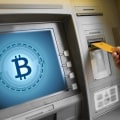
In recent years, the rise of cryptocurrencies has transformed the financial landscape, making digital currencies like Bitcoin more accessible to the general public. One of the most significant innovations in this space is the Bitcoin ATM, a machine that allows users to buy and sell Bitcoin and other cryptocurrencies with ease. These ATMs serve as a bridge between traditional fiat currencies and the world of digital assets, enabling users to engage in cryptocurrency transactions without needing a bank account or extensive technical knowledge.A Bitcoin ATM operates similarly to a traditional ATM, but instead of dispensing cash, it facilitates the purchase or sale of cryptocurrencies. Users can insert cash or use a debit card to acquire Bitcoin, which is then sent directly to their digital wallet.
This convenience has made Bitcoin ATMs increasingly popular, especially among those who may be hesitant to navigate online exchanges or who prefer the immediacy of in-person transactions.However, while Bitcoin ATMs offer unparalleled convenience, they come with their own set of costs. Understanding Bitcoin ATM fees is crucial for users looking to maximize their investment. These fees can vary significantly from one machine to another, often ranging from 6.5% to as high as 25% of the transaction amount. Factors influencing these fees include the operator's pricing strategy, location, and the specific services offered by the ATM.
As such, it’s essential for users to be aware of these costs before engaging in transactions.As we delve deeper into this topic, we will explore how these fees are structured, what influences them, and how they compare to other methods of buying and selling cryptocurrencies. By understanding the intricacies of Bitcoin ATMs, users can make informed decisions that align with their financial goals in the ever-evolving world of cryptocurrency.
How Bitcoin ATMs Work
Understanding how Bitcoin ATMs operate is essential for anyone looking to engage with cryptocurrency. These machines provide a user-friendly interface for buying and selling Bitcoin and other cryptocurrencies, making them an attractive option for both beginners and seasoned investors.When you approach a Bitcoin ATM, the first step is to select whether you want to buy or sell cryptocurrency. This choice sets the stage for the entire transaction process.If you choose to buy Bitcoin, you will typically be prompted to enter your mobile phone number or scan a QR code from your cryptocurrency wallet. This step is crucial as it ensures that the purchased Bitcoin is sent directly to your wallet.Once you've entered your information, the ATM will display the current exchange rate for Bitcoin. This rate may vary from what you see on online exchanges due to the fees associated with using the ATM. After confirming the amount of Bitcoin you wish to purchase, you will be asked to insert cash into the machine.
The ATM will then calculate the total cost, including any applicable transaction fees, which can range from 6.5% to over 25% depending on the provider.After inserting cash, the machine processes your transaction. This involves sending a request to the Bitcoin network to confirm your purchase. The transaction is recorded on the blockchain, ensuring transparency and security. Once confirmed, the Bitcoin is sent to your wallet address, and you will receive a receipt detailing the transaction.If you are selling Bitcoin at an ATM, the process is somewhat similar but in reverse.
You will need to select the option to sell and then scan your wallet's QR code. The ATM will display how much cash you can receive based on the amount of Bitcoin you wish to sell. After confirming the transaction, you will send Bitcoin from your wallet to the ATM's address. Once this transfer is confirmed on the blockchain, the machine dispenses cash equivalent to your sale.It’s important to note that while Bitcoin ATMs offer convenience, they also come with higher fees compared to traditional exchanges.
Understanding this process not only helps users navigate transactions more effectively but also highlights why these fees exist in the first place—primarily due to operational costs and market volatility.
Understanding Transaction Fees at Bitcoin ATMs
When using a Bitcoin ATM, understanding the transaction fees is crucial for users looking to buy or sell cryptocurrencies. These fees can vary significantly based on several factors, including the provider, location, and the specific transaction amount.On average, Bitcoin ATM transaction fees range from 10% to 20%. However, some machines may charge as little as 6.5% or as much as 25%. This wide range can be attributed to the competitive nature of the market and the varying operational costs incurred by different providers.Average Bitcoin ATM Fees
The typical fee for a Bitcoin ATM transaction hovers around 8.5%.This average is derived from numerous providers across the country, with some offering lower rates to attract more customers. For instance, Coinsource is known for its competitive pricing, boasting an average fee of just 11%, which is among the lowest in the industry.
Factors Influencing Fees
Several factors can influence the fees charged by Bitcoin ATMs:- Provider Variability: Different operators have different pricing strategies. Some may offer lower fees to gain market share, while others may charge higher fees due to premium services or locations.
- Location: The geographical location of the ATM can also impact fees. ATMs in urban areas may charge higher fees due to increased demand and operational costs.
- Transaction Amount: Some ATMs may have tiered fee structures where smaller transactions incur higher percentage fees compared to larger transactions.
- Market Conditions: Fluctuations in Bitcoin's market price can also affect transaction fees, as they are often calculated as a percentage of the total transaction value.
This fee is separate from what users pay at the ATM but is an essential part of how transactions are validated on the network.As regulations around cryptocurrency continue to evolve, particularly concerning Anti-Money Laundering (AML) and Know Your Customer (KYC) requirements, users may find that these compliance measures also play a role in determining transaction fees at Bitcoin ATMs. Overall, being informed about these aspects can help users make better decisions when utilizing Bitcoin ATMs for their cryptocurrency transactions.
Factors Influencing Bitcoin ATM Fees
Understanding the factors influencing Bitcoin ATM fees is crucial for users who want to make informed decisions when using these machines. Several elements contribute to the fee structure, leading to variations in costs across different locations and operators.1.Location
The geographical location of a Bitcoin ATM plays a significant role in determining its transaction fees. ATMs situated in high-demand areas, such as urban centers or tourist hotspots, often charge higher fees due to increased operational costs and the convenience they offer.
Conversely, machines located in less populated or rural areas may have lower fees, but they might also have less frequent usage.
2.Demand and Supply
The basic economic principle of supply and demand also applies to Bitcoin ATMs. In areas where demand for cryptocurrency is high, operators may set higher fees to capitalize on the increased interest. During periods of heightened market activity or price volatility, users may be willing to pay more for immediate access to Bitcoin, further driving up fees.
3.Operational Costs
Each Bitcoin ATM incurs various operational costs that can influence transaction fees. These include:
- Maintenance and Upkeep: Regular maintenance is essential for ensuring the machine operates smoothly and securely.
- Transaction Processing Fees: Operators often pay fees to payment processors for each transaction, which can vary based on the volume of transactions.
- Security Measures: Enhanced security features, such as surveillance cameras and secure cash handling systems, can add to operational costs.
4.Fee Structure Variability
The fee structure itself can vary significantly between different Bitcoin ATM providers.
Some operators may charge a flat fee per transaction, while others implement a percentage-based model that scales with the transaction amount. Additionally, some ATMs may have hidden fees that are not immediately apparent, making it essential for users to read the terms displayed on the machine before proceeding with a transaction.
5.Regulatory Compliance
Compliance with local regulations regarding Anti-Money Laundering (AML) and Know Your Customer (KYC) requirements can also impact fees. Operators must invest in systems that verify user identities and monitor transactions, which can lead to increased operational costs passed on to customers through higher fees.In summary, several factors contribute to the variability of Bitcoin ATM fees. By understanding these elements—location, demand, operational costs, fee structures, and regulatory compliance—users can better navigate their options and make more cost-effective choices when using Bitcoin ATMs.
Comparing Bitcoin ATM Fees Across Providers
When it comes to using a Bitcoin ATM, understanding the fees associated with different providers is crucial for making an informed decision.Transaction fees can vary significantly, not only between different operators but also based on the location of the ATM. Here, we will compare some of the leading Bitcoin ATM providers to help you find the best rates available.
1.Coinsource
- Coinsource is known for its competitive fee structure, offering an average transaction fee of around 11%. This makes it one of the most affordable options in the market.
- The company prides itself on transparency, providing users with an exact Bitcoin price and no hidden fees.
- Coinsource also has a robust network of ATMs across the United States, making it accessible for many users.
2.Bitstop
- Bitstop typically charges transaction fees ranging from 10% to 15%, depending on the specific location and transaction amount.
- This provider is recognized for its user-friendly interface and quick transaction times, enhancing the overall customer experience.
- Bitstop also offers a loyalty program that can help frequent users save on fees over time.
3.General Bytes
- General Bytes ATMs generally have higher fees, averaging around 12% to 20%. However, they are known for their extensive features and support for multiple cryptocurrencies.
- Their machines are equipped with advanced technology, which can justify the higher fees for some users looking for additional services.
4.Lamassu
- Lamassu offers a unique approach by allowing operators to set their own fees.
This means that users may encounter varying rates, often between 6.5% and 25%.
- The flexibility in fee structure can be beneficial for operators in competitive markets but may lead to confusion for users.
5.Bitcoin Depot
- Bitcoin Depot is another popular provider with fees typically around 12% to 15%. They focus on providing a seamless user experience and have a wide network of ATMs.
- Their machines are designed to be intuitive, making it easier for newcomers to navigate the process of buying Bitcoin.
The Role of KYC and AML Regulations in Bitcoin ATM Fees
In the rapidly evolving world of cryptocurrency, Know Your Customer (KYC) and Anti-Money Laundering (AML) regulations play a crucial role in shaping the operational landscape of Bitcoin ATMs. These regulations are designed to prevent illicit activities such as money laundering and fraud, ensuring that users can engage with cryptocurrencies in a secure environment.KYC regulations require Bitcoin ATM operators to verify the identity of their customers before allowing transactions.This process typically involves collecting personal information such as name, address, and sometimes even biometric data. While these measures enhance security and compliance, they also contribute to the overall cost structure of operating a Bitcoin ATM.As a result, many operators pass on the costs associated with KYC compliance to users in the form of higher transaction fees. The average fee for using a Bitcoin ATM can range from 10% to 20%, but in some cases, it can exceed 25%. This increase is often attributed to the additional resources required for identity verification and compliance with regulatory standards.Moreover, AML regulations further complicate the fee structure.
These laws mandate that operators monitor transactions for suspicious activity and report any anomalies to relevant authorities. This ongoing monitoring requires sophisticated software and trained personnel, which adds another layer of expense that can be reflected in transaction fees.Despite these costs, KYC and AML regulations serve an important purpose. They help build trust in the cryptocurrency ecosystem by ensuring that users are engaging in legitimate transactions. For individuals concerned about security and compliance, understanding these regulations is essential when using Bitcoin ATMs.In summary, while KYC and AML regulations may lead to higher transaction fees at Bitcoin ATMs, they are vital for maintaining a secure and trustworthy environment for cryptocurrency transactions.
Users should weigh these fees against the benefits of enhanced security and compliance when deciding how to engage with Bitcoin ATMs.
User Experience: What to Expect When Using a Bitcoin ATM
Using a Bitcoin ATM can be a straightforward and efficient way to buy or sell cryptocurrencies, but understanding the process can enhance your overall experience. Here’s what you can expect when you approach a Bitcoin ATM for the first time.Understanding the Process
When you arrive at a Bitcoin ATM, the first step is to identify whether you want to buy or sell Bitcoin. Most machines will have a clear interface that guides you through the process. Here’s a brief overview of what typically happens:
- Select Your Transaction Type: Choose whether you want to buy or sell Bitcoin.
- Enter Your Wallet Address: If you're buying, you'll need to provide your Bitcoin wallet address.
This can often be done by scanning a QR code from your mobile wallet.
- Insert Cash or Select Amount: For purchases, insert cash into the machine or select the amount of Bitcoin you wish to buy.
- Confirm Transaction: Review the transaction details, including fees, before confirming.
- Receive Confirmation: After completing the transaction, you’ll receive a receipt and confirmation of your purchase or sale.
Tips for First-Time Users
If you're new to using a Bitcoin ATM, consider these tips to ensure a smooth experience:
- Research Locations: Before heading out, use online maps or apps to find nearby Bitcoin ATMs. Check reviews for user experiences at specific locations.
- Prepare Your Wallet: Make sure your cryptocurrency wallet is set up and ready to receive funds. Familiarize yourself with how to generate a QR code for easy scanning.
- Understand Fees: Be aware of the transaction fees associated with the ATM. These can vary significantly between machines, so it’s wise to check beforehand.
- Stay Safe: Choose ATMs in well-lit, public areas.
Always be aware of your surroundings when conducting transactions.
Frequently Asked Questions About Bitcoin ATM Fees
When it comes to using a Bitcoin ATM, many users have questions regarding the fees associated with transactions. Below are some of the most frequently asked questions that can help clarify any uncertainties.What is the average fee for using a Bitcoin ATM?
The average fee for transactions at a Bitcoin ATM typically ranges from 10% to 20%. However, this can vary significantly depending on the operator and location.Some ATMs may charge as little as 6.5%, while others can impose fees as high as 25%. It's essential to check the specific fee structure before proceeding with a transaction.
Are there any hidden fees when using a Bitcoin ATM?
Most reputable Bitcoin ATMs are transparent about their fees, providing users with an exact price before completing a transaction. However, it’s always wise to read the terms and conditions or any displayed information on the ATM screen to ensure there are no unexpected charges.Why do Bitcoin ATMs charge fees?
Fees associated with Bitcoin ATMs serve several purposes. They help cover operational costs, including maintenance, security, and compliance with regulations such as Anti-Money Laundering (AML) and Know Your Customer (KYC) requirements.Additionally, these fees contribute to the network's sustainability by compensating miners who validate transactions.
Can I find Bitcoin ATMs with lower fees?
Yes, some operators offer lower fees than others. For instance, Coinsource is known for having some of the lowest fees in the industry, averaging around 11%. To find a Bitcoin ATM with competitive rates, consider using online resources or apps that compare different ATMs in your area.Do all Bitcoin ATMs accept cash?
While many Bitcoin ATMs do accept cash for purchasing Bitcoin, not all of them do. Some machines may only allow transactions via debit or credit cards.It’s advisable to check the specific ATM’s payment options before visiting.
Is it safe to use a Bitcoin ATM?
Using a Bitcoin ATM is generally considered safe, especially when using machines from reputable operators. However, users should always exercise caution by ensuring they are in a secure location and by safeguarding their private keys and wallet information.If you have more questions about Bitcoin ATMs, don’t hesitate to reach out to customer support or consult online forums where experienced users share their insights.Conclusion: Making Informed Decisions with Bitcoin ATMs
In conclusion, understanding the fees associated with Bitcoin ATMs is crucial for anyone looking to engage in cryptocurrency transactions. As we have explored, these machines offer a convenient way to buy and sell Bitcoin, but the costs can vary significantly depending on the provider and location. With transaction fees typically ranging from 6.5% to 25% , it is essential for users to be aware of what they are paying for each transaction.When considering a Bitcoin ATM, take the time to compare different options available in your area.Some operators, like Coinsource, provide competitive rates with transparent pricing structures, while others may impose higher fees that can eat into your investment. By doing your research, you can find an ATM that aligns with your financial goals.Moreover, it’s important to factor in additional elements such as identity verification requirements and potential waiting times at the ATM. Many Bitcoin ATMs now comply with AML (Anti-Money Laundering) and KYC (Know Your Customer) regulations, which may require you to provide personal information before completing a transaction. This process can add time and complexity to your experience.Ultimately, making informed decisions when using Bitcoin ATMs involves not only understanding the fees but also considering your own needs and circumstances.
Whether you are a seasoned investor or a newcomer to the world of cryptocurrency, being aware of the costs and processes involved will help you navigate this evolving landscape more effectively.As the cryptocurrency market continues to grow and evolve, so too will the services offered by Bitcoin ATMs. Staying informed about changes in fees and regulations will empower you to make better choices in your cryptocurrency journey.