Bitcoin, often referred to as the first decentralized cryptocurrency, was introduced in 2009 by an anonymous entity known as Satoshi Nakamoto. Unlike traditional currencies issued by governments, Bitcoin operates on a peer-to-peer network that allows users to send and receive payments without the need for intermediaries like banks. This revolutionary technology is built on blockchain, a secure and transparent ledger that records all transactions, ensuring that every Bitcoin can be traced back to its origin. Understanding Bitcoin is essential for anyone looking to navigate the world of digital currencies.The value of Bitcoin is notoriously volatile, influenced by a myriad of factors including market demand, investor sentiment, regulatory news, and macroeconomic trends.
For instance, significant events such as institutional adoption or government regulations can lead to rapid price fluctuations. This volatility presents both opportunities and risks for investors; while some may profit from trading Bitcoin during price surges, others may incur losses during downturns. Therefore, grasping the dynamics of Bitcoin's value is crucial for those considering converting it into cash.As you delve deeper into the cryptocurrency landscape, it’s important to familiarize yourself with basic concepts such as supply and demand, market capitalization, and trading volume. Bitcoin's supply is capped at 21 million coins, which creates scarcity and can drive up its value as demand increases.
Additionally, understanding how Bitcoin compares to other cryptocurrencies—often referred to as altcoins—can provide valuable context for its market position. With this foundational knowledge in hand, you will be better equipped to make informed decisions about converting your Bitcoin into cash and managing your investments effectively.
Why Convert Bitcoin to Cash?
Converting Bitcoin to cash can be a strategic move for various reasons, each reflecting the unique financial needs and goals of individuals. Understanding these motivations can help you make informed decisions about your cryptocurrency investments.Liquidity Needs
One of the primary reasons individuals choose to convert their Bitcoin into cash is to meet liquidity needs. Life is unpredictable, and unexpected expenses can arise at any moment.Whether it’s a medical emergency, home repairs, or urgent travel plans, having cash on hand can provide peace of mind. By converting Bitcoin to cash, you can quickly access funds without having to liquidate other assets or incur debt.
Investment Strategies
Another significant reason for cashing out Bitcoin is related to investment strategies. Many investors view Bitcoin as a volatile asset that can experience rapid price fluctuations. If you’ve seen substantial gains in your Bitcoin holdings, you might decide to convert a portion of your investment into cash to secure those profits.This strategy allows you to diversify your portfolio or reinvest in other opportunities that may offer more stability or growth potential.
Market Conditions
The state of the cryptocurrency market also plays a crucial role in the decision to convert Bitcoin into cash. During periods of high volatility or bearish trends, investors may feel compelled to sell their Bitcoin holdings to avoid potential losses. By converting to cash, they can protect their capital and wait for more favorable market conditions before re-entering the market.Personal Financial Goals
Individuals may also convert Bitcoin into cash as part of their broader financial goals. Whether saving for retirement, purchasing a home, or funding education, having liquid assets can facilitate these objectives.Cash provides flexibility and security, allowing individuals to make significant life decisions without being constrained by their cryptocurrency holdings.
Tax Considerations
Lastly, tax implications are an essential factor when considering converting Bitcoin to cash. In many jurisdictions, selling Bitcoin can trigger capital gains taxes. Understanding your tax obligations and planning accordingly can influence your decision on when and how much Bitcoin to convert into cash.In summary, the decision to convert Bitcoin into cash is influenced by various factors including liquidity needs, investment strategies, market conditions, personal financial goals, and tax considerations. Each individual’s situation is unique, making it essential to evaluate these aspects carefully before proceeding with a conversion.Methods to Convert Bitcoin into Cash
When it comes to converting Bitcoin into cash, there are several methods available, each with its own advantages and disadvantages.Understanding these options can help you choose the best approach for your needs.
1.Bitcoin ATMs
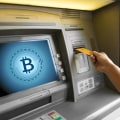
Bitcoin ATMs are one of the most convenient ways to convert your Bitcoin into cash. These machines allow you to sell your Bitcoin for cash on the spot. Here’s how it works:- Locate a Bitcoin ATM: Use online maps or apps to find a nearby Bitcoin ATM.
- Verification: Some ATMs may require you to verify your identity using a phone number or ID.
- Transaction: Follow the on-screen instructions to sell your Bitcoin and receive cash.
- Instant cash withdrawal.
- No need for a bank account or intermediary.
- Relatively anonymous transactions.
- Higher fees compared to other methods.
- Not all ATMs support selling Bitcoin; some only allow purchases.
- Limited availability depending on your location.
2.Cryptocurrency Exchanges
Another popular method for converting Bitcoin into cash is through cryptocurrency exchanges. Platforms like Coinbase, Binance, and Kraken allow users to sell their Bitcoin for fiat currency, which can then be withdrawn to a bank account.- Create an account: Sign up and complete any necessary verification processes.
- Sell your Bitcoin: Place a sell order for your Bitcoin at the current market price.
- Withdraw funds: Once the sale is complete, withdraw the fiat currency to your linked bank account.
- Competitive exchange rates and lower fees compared to ATMs.
- A wide range of cryptocurrencies can be converted.
- User-friendly interfaces make transactions straightforward.
- Withdrawal times can vary, often taking several days.
- You may need to provide extensive personal information for verification.
3.Peer-to-Peer Platforms
If you prefer a more direct approach, peer-to-peer (P2P) platforms like LocalBitcoins or Paxful allow you to sell your Bitcoin directly to other individuals.This method can offer more flexibility in terms of payment options and pricing.
- Create an account: Register on a P2P platform and set up your profile.
- Create a listing: Specify how much Bitcoin you want to sell and at what price.
- Complete the transaction: Once a buyer agrees, follow the platform’s instructions to finalize the sale and receive payment.
- You can negotiate prices and payment methods directly with buyers.
- P2P platforms often have lower fees than exchanges or ATMs.
- The risk of scams if proper precautions are not taken.
- You may need to wait longer for a buyer to agree to your terms.
Using Bitcoin ATMs for Cash Withdrawals
Using a Bitcoin ATM is one of the most straightforward methods to convert your Bitcoin into cash. These machines allow you to exchange your cryptocurrency for physical currency quickly and conveniently. Here’s a step-by-step guide on how to use Bitcoin ATMs effectively.Finding a Bitcoin ATM
- To start, you need to locate a Bitcoin ATM near you. Websites like CoinATMRadar provide comprehensive maps showing the locations of Bitcoin ATMs worldwide.
You can filter results based on your location and even check which ATMs support cash withdrawals.
- Once you find a nearby ATM, ensure it supports the withdrawal of cash, as not all Bitcoin ATMs offer this functionality. Some may only allow you to buy Bitcoin.
Understanding Fees
Before proceeding with the transaction, it’s essential to be aware of the fees associated with using a Bitcoin ATM. These fees can vary significantly from one machine to another and may include:
- Transaction Fees: Most Bitcoin ATMs charge a fee for each transaction, typically ranging from 5% to 10% of the amount being withdrawn.
- Network Fees: In addition to transaction fees, there may be network fees that are charged by the Bitcoin network itself, which can fluctuate based on network congestion.
- Exchange Rate Markup: The exchange rate offered at ATMs may not be as favorable as those found on cryptocurrency exchanges, so it’s wise to compare rates before making a withdrawal.
The Withdrawal Process
- Verification: When you arrive at the ATM, you will typically need to verify your identity. This may involve scanning your government-issued ID or entering your phone number for SMS verification.
- Selecting Withdrawal: Choose the option to withdraw cash.
You will then be prompted to enter the amount of Bitcoin you wish to convert into cash.
- Wallet Address: You will need to provide your Bitcoin wallet address. This is usually done by scanning a QR code from your mobile wallet app.
- Complete Transaction: After confirming the details, the ATM will process your request. Once completed, it will dispense the cash equivalent of your Bitcoin withdrawal.
Selling Bitcoin on Cryptocurrency Exchanges
When it comes to converting Bitcoin into cash, one of the most popular methods is through cryptocurrency exchanges.These platforms allow users to sell their Bitcoin for fiat currency, which can then be withdrawn to a bank account. Below, we will explore how to effectively sell Bitcoin on well-known exchanges like Coinbase and Binance, including account setup, trading processes, and withdrawal methods.
1.Setting Up Your Account
- Choose an Exchange: Start by selecting a reputable cryptocurrency exchange.
Coinbase
is user-friendly and ideal for beginners, while Binance offers a wider range of cryptocurrencies and trading options. - Create an Account: Visit the exchange's website and sign up by providing your email address and creating a password. You may need to verify your identity by submitting personal information and documents.
- Enable Two-Factor Authentication: For added security, enable two-factor authentication (2FA) on your account to protect against unauthorized access.
2.Selling Bitcoin on the Exchange
- Deposit Bitcoin: Once your account is set up, deposit your Bitcoin into the exchange wallet.
This usually involves generating a deposit address from the exchange and sending your Bitcoin from your wallet.
- Select the Trading Pair: Navigate to the trading section of the exchange and select the BTC/USD trading pair (or another fiat currency you wish to convert to).
- Place a Sell Order: You can choose between a market order (selling at the current market price) or a limit order (setting a specific price at which you want to sell). Confirm your order once you are satisfied with the details.
3.Understanding Exchange Fees
Be aware that most exchanges charge fees for trading and withdrawals. These fees can vary significantly between platforms:
- Coinbase: Typically charges around 1.49% for selling Bitcoin, plus additional fees based on payment method.
- Binance: Generally has lower fees, around 0.1% for trades, but may charge withdrawal fees depending on the cryptocurrency.
4.Withdrawing Funds to Your Bank Account
- Select Withdrawal Method: After selling your Bitcoin, navigate to the withdrawal section of the exchange. Choose your preferred method (bank transfer, PayPal, etc.).
- Enter Withdrawal Amount: Specify how much money you want to withdraw and confirm the transaction.
- Processing Time: Withdrawals can take anywhere from a few hours to several days, depending on the exchange and your bank's processing times.
By understanding account setup, trading processes, and associated fees, you can make informed decisions that suit your financial needs.
Peer-to-Peer Platforms for Selling Bitcoin
Peer-to-peer (P2P) platforms have revolutionized the way individuals can sell their Bitcoin, offering a more direct and often more flexible alternative to traditional exchanges. Two of the most popular P2P platforms are LocalBitcoins and Paxful , both of which facilitate transactions between buyers and sellers without the need for an intermediary.On these platforms, users can create listings to sell their Bitcoin at prices they set themselves. This allows for greater control over the selling process, as you can choose your payment methods and negotiate terms directly with buyers. Here’s how these platforms generally work:- Create an Account: To get started, you’ll need to sign up for an account on your chosen platform.
This usually involves providing some basic information and verifying your identity.
- List Your Bitcoin: Once your account is set up, you can create a listing to sell your Bitcoin. Specify the amount you want to sell, the price, and the payment methods you accept.
- Find a Buyer: Interested buyers will respond to your listing. You can review their profiles, ratings, and feedback from previous transactions to ensure they are trustworthy.
- Complete the Transaction: After agreeing on terms, you’ll send your Bitcoin to an escrow service provided by the platform. Once the buyer completes their payment, the Bitcoin is released from escrow.
Advantages of P2P Selling
P2P selling offers several advantages over traditional exchanges:- Flexibility in Payment Methods: Unlike exchanges that may only allow bank transfers or credit card payments, P2P platforms often support a variety of payment options including PayPal, cash deposits, and even gift cards.
- No Central Authority: Transactions occur directly between users, reducing reliance on a central authority and often resulting in lower fees.
- Anonymity: P2P platforms can offer more privacy compared to traditional exchanges that require extensive personal information.
- Local Transactions: You can find buyers in your local area, allowing for face-to-face transactions if desired.
Safety Tips for P2P Transactions
While P2P platforms provide many benefits, it’s essential to prioritize safety during transactions.Here are some tips:
- Use Escrow Services: Always utilize the escrow feature provided by the platform to protect both parties during the transaction.
- Check Buyer/Seller Ratings: Review feedback and ratings from previous transactions to gauge trustworthiness.
- Avoid Unverified Users: Be cautious when dealing with users who have little or no transaction history on the platform.
- Meet in Public Places: If conducting a face-to-face transaction, choose a public location for added safety.
Transferring Cash to Your Bank Account
Once you have successfully sold your Bitcoin and converted it into cash, the next step is to transfer those funds to your bank account. This process can vary depending on the method you used to sell your Bitcoin and the platform you are using for the transfer. Below, we will explore various options for withdrawing cash to your bank account, along with their processing times.Bank Transfer Options for Bitcoin Sales
There are several methods available for transferring cash from your Bitcoin sales to your bank account:- Direct Bank Transfer: Many cryptocurrency exchanges, such as Coinbase and Binance, offer direct bank transfer options.
After selling your Bitcoin, you can initiate a withdrawal directly to your linked bank account. This method is typically straightforward and secure.
- Wire Transfer: If you need faster access to your funds, a wire transfer may be an option. While this method often incurs higher fees, it allows for quicker processing times compared to standard bank transfers.
- ACH Transfer: Automated Clearing House (ACH) transfers are commonly used in the United States for moving money between banks. This method is usually free or low-cost but may take a few business days to process.
- Third-Party Payment Services: Some platforms allow you to withdraw funds via services like PayPal or Venmo.
After selling your Bitcoin, you can transfer the cash to these services and then move it to your bank account.
Processing Times for Withdrawals
The time it takes for your funds to appear in your bank account can vary based on the withdrawal method chosen:- Direct Bank Transfers: Typically take 1-3 business days, depending on the exchange and your bank's processing times.
- Wire Transfers: Usually processed within 24 hours but can take longer depending on the banks involved.
- ACH Transfers: Generally take 3-5 business days to complete.
- Third-Party Payment Services: Transfers can be instant or take a few hours, but moving funds from these services to your bank may take additional time.
Tax Implications of Converting Bitcoin to Cash
When converting Bitcoin into cash, it is crucial to understand the tax implications that accompany such transactions. The Internal Revenue Service (IRS) in the United States treats Bitcoin and other cryptocurrencies as property rather than currency. This classification means that any sale or exchange of Bitcoin can trigger capital gains tax obligations.Capital gains tax applies to the profit made from selling your Bitcoin.If you sell your Bitcoin for more than what you paid for it, the difference is considered a capital gain and is subject to taxation. Conversely, if you sell it for less than your purchase price, you may incur a capital loss, which can potentially offset other capital gains on your tax return.
Reporting Bitcoin Sales Taxes
It is essential to report any sales of Bitcoin on your tax return. The IRS requires taxpayers to disclose their cryptocurrency transactions, including the date of acquisition, date of sale, amount received, and the cost basis (the original purchase price). Failing to report these transactions can lead to penalties and interest on unpaid taxes.To accurately report your Bitcoin transactions, consider maintaining detailed records of:- The date you acquired the Bitcoin
- The amount paid for the Bitcoin
- The date you sold or exchanged the Bitcoin
- The amount received from the sale
- Any fees associated with the transaction
Understanding Capital Gains Tax on Bitcoin
The rate at which you are taxed on capital gains depends on how long you held the Bitcoin before selling it.If you held it for more than one year, it qualifies for long-term capital gains tax rates, which are generally lower than short-term rates applied to assets held for less than a year. Therefore, timing your sale can significantly impact your tax liability.In summary, being aware of the tax implications when converting Bitcoin into cash is vital for compliance and financial planning. Keeping thorough records and understanding how capital gains tax works will help ensure that you meet your tax obligations while maximizing your returns.
Common Mistakes to Avoid When Converting Bitcoin to Cash
Converting Bitcoin into cash can be a straightforward process, but many individuals make common mistakes that can lead to financial loss or security issues. Understanding these pitfalls is crucial for a smooth transaction.Here are some of the most frequent errors to avoid:
- Neglecting Research on Fees: One of the biggest mistakes is not being aware of the fees associated with different platforms. Whether you’re using a Bitcoin ATM, an exchange, or a peer-to-peer platform, each option has its own fee structure. Always check the transaction fees before proceeding to ensure you’re not losing a significant portion of your funds.
- Choosing Unreliable Platforms: Not all exchanges or ATMs are created equal. Some may have poor security measures or unfavorable exchange rates.
It’s essential to use reputable platforms with positive reviews and a solid track record. Look for platforms that are regulated and have transparent policies.
- Ignoring Security Practices: When converting Bitcoin, security should be a top priority. Many users fail to enable two-factor authentication (2FA) or use weak passwords, making their accounts vulnerable to hacking. Always use strong, unique passwords and enable 2FA wherever possible.
- Overlooking Local Regulations: Different regions have varying regulations regarding cryptocurrency transactions.
Failing to understand local laws can lead to complications, including potential legal issues or unexpected taxes on your gains. Make sure you are informed about the regulations in your area before cashing out.
- Rushing the Process: In the excitement of converting Bitcoin into cash, some individuals rush through the process without verifying details. Take your time to double-check transaction amounts, recipient addresses, and platform policies to avoid costly mistakes.
- Falling for Scams: The cryptocurrency space is rife with scams targeting unsuspecting users. Be wary of offers that seem too good to be true, such as guaranteed high returns or unsolicited investment advice.
Always conduct thorough research and trust your instincts when something feels off.
Conclusion: Making Informed Decisions About Your Bitcoin Transactions
In conclusion, converting Bitcoin into cash and transferring it to your bank account is a multifaceted process that requires careful consideration of various factors. As we have explored throughout this article, there are several methods available, each with its own advantages and disadvantages. Whether you choose to utilize a Bitcoin ATM, engage in peer-to-peer transactions, or sell your Bitcoin on an exchange, understanding the nuances of each option is crucial for making informed decisions.One of the primary takeaways is the importance of selecting the right platform for your needs.For instance, Bitcoin ATMs can offer convenience and anonymity, but they may also come with higher fees compared to online exchanges. On the other hand, exchanges like Coinbase or Binance provide competitive rates and a user-friendly interface, but they may require you to wait for funds to clear before you can access your cash.Additionally, it’s essential to be aware of the regulatory landscape surrounding cryptocurrency transactions in your region. Different jurisdictions have varying rules regarding the taxation of cryptocurrency gains and the legality of certain transaction methods. Staying informed about these regulations can help you avoid potential pitfalls and ensure compliance.Moreover, consider the security aspects of your transactions.
Always use reputable platforms and enable two-factor authentication where possible to protect your assets. If you opt for peer-to-peer transactions, take extra precautions by verifying the identity of buyers or sellers to mitigate risks.Ultimately, whether you are cashing out for immediate financial needs or strategically managing your investments, being well-informed will empower you to make choices that align with your financial goals. Take the time to evaluate each method's pros and cons, and don’t hesitate to seek advice from financial professionals if needed. By doing so, you can navigate the complexities of converting Bitcoin into cash with confidence and clarity.