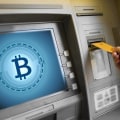
Bitcoin ATMs, often referred to as BATMs, represent a significant evolution in the way individuals can interact with cryptocurrencies. Unlike traditional ATMs that facilitate transactions involving fiat currencies, Bitcoin ATMs are specialized kiosks designed specifically for buying and selling Bitcoin and other cryptocurrencies. This innovative technology allows users to convert cash into digital currency or vice versa, providing a bridge between the physical and digital financial worlds.At their core, Bitcoin ATMs function as self-service machines that enable users to conduct cryptocurrency transactions without the need for a bank account or intermediary. When using a Bitcoin ATM, customers can purchase Bitcoin by inserting cash or using a debit card.
Some models even allow for two-way transactions, meaning users can sell their Bitcoin for cash. This flexibility makes Bitcoin ATMs an attractive option for those looking to enter the cryptocurrency market or liquidate their holdings quickly.However, it is essential to understand that not all Bitcoin ATMs operate in the same manner. The functionality and user experience can vary significantly depending on the manufacturer and model of the machine. For instance, some Bitcoin ATMs may require users to complete identity verification processes due to regulatory compliance measures such as Know Your Customer (KYC) and Anti-Money Laundering (AML) laws.
This requirement can impact the level of anonymity that users might expect when using these machines.In summary, Bitcoin ATMs serve as convenient access points for cryptocurrency transactions, offering unique features that distinguish them from traditional banking ATMs. As the adoption of cryptocurrencies continues to grow, understanding how these machines work and their various functionalities will be crucial for anyone looking to navigate the evolving landscape of digital finance.
Types of Bitcoin ATMs
When exploring the world of Bitcoin ATMs, it’s essential to understand that not all machines are created equal. The primary distinction lies in the functionality of these devices, which can be categorized into two main types: one-way and two-way Bitcoin ATMs.One-Way Bitcoin ATMs
One-way Bitcoin ATMs are designed for a single purpose: to allow users to purchase Bitcoin using cash or debit cards. These machines do not facilitate the sale of Bitcoin back to cash, making them a straightforward option for individuals looking to enter the cryptocurrency market.Users simply insert cash or swipe their debit card, input the desired amount of Bitcoin they wish to buy, and receive a QR code or paper receipt containing their Bitcoin wallet address.
Two-Way Bitcoin ATMs
In contrast, two-way Bitcoin ATMs offer a more versatile experience by allowing users to both buy and sell Bitcoin. This functionality is particularly beneficial for those who want to convert their cryptocurrency back into cash. To use a two-way ATM, users typically need to follow a series of steps:- Verification: Users may need to verify their identity through KYC (Know Your Customer) processes, which can include scanning an ID or providing a phone number.
- Selecting Transaction Type: Users choose whether they want to buy or sell Bitcoin.
- Transaction Execution: For buying, users insert cash or use a debit card; for selling, they may need to send Bitcoin from their wallet to the ATM's address.
- Receiving Cash: Upon successful transactions, users receive cash for their sales or a confirmation of their purchase.
Key Features of Bitcoin ATMs
Regardless of the type, Bitcoin ATMs come equipped with various features that enhance user experience:- User Interface: Most machines have an intuitive touchscreen interface that guides users through each step of the transaction process.
- Security Measures: Many ATMs incorporate security features such as camera surveillance and encryption protocols to protect user data and transactions.
- Anonymity Options: While some machines require identification due to regulatory compliance, others allow for anonymous transactions when using cash.
- Multi-Currency Support: Some advanced models support multiple cryptocurrencies beyond just Bitcoin, allowing users to trade various digital assets.
How to Use a Bitcoin ATM
Using a Bitcoin ATM can be a straightforward process, but it’s essential to understand the steps involved to ensure a smooth transaction.Below is a detailed guide on how to use a Bitcoin ATM for both buying and selling Bitcoin.
Buying Bitcoin at an ATM
If you’re looking to purchase Bitcoin, follow these steps:- Locate a Bitcoin ATM: Use platforms like CoinATMRadar to find the nearest Bitcoin ATM. Make sure to check if the machine supports buying Bitcoin.
- Prepare Your Wallet: Before heading to the ATM, ensure you have a Bitcoin wallet set up. This can be a mobile wallet app or a hardware wallet. You will need your wallet address to receive the purchased Bitcoin.
- Initiate the Transaction: At the ATM, select the option to buy Bitcoin.
The screen will typically guide you through the process.
- Enter Your Wallet Address: You can either scan a QR code from your wallet app or manually enter your wallet address. Double-check this information to avoid sending funds to the wrong address.
- Select the Amount: Choose how much Bitcoin you want to buy. Be aware of any limits imposed by the ATM operator.
- Insert Cash or Use Debit Card: Depending on the machine, you can pay with cash or a debit card. Follow the prompts on the screen to complete your payment.
- Confirm Your Transaction: Review all details before finalizing your purchase.
Once confirmed, wait for the transaction to process. You should receive a receipt and see the Bitcoin reflected in your wallet shortly after.
Selling Bitcoin at an ATM
If you want to sell Bitcoin for cash, here’s how:- Find a Two-Way Bitcoin ATM: Not all ATMs support selling; ensure you locate one that does.
- Select Sell Option: At the machine, choose the option to sell Bitcoin.
- Enter Your Wallet Address: Similar to buying, you’ll need to provide your wallet address where the funds will be sent from.
- Select Amount of Bitcoin to Sell: Specify how much Bitcoin you wish to sell. Be mindful of any transaction fees that may apply.
- Complete Identity Verification (if required): Some ATMs may require you to verify your identity through KYC processes, such as scanning your ID or taking a selfie.
- Receive Cash: After confirming your transaction, insert your Bitcoin into the machine as instructed. Once processed, you will receive cash from the ATM.
Always remember to keep security in mind and verify all details before completing any transactions.
Fees and Limits Associated with Bitcoin ATMs
When using a Bitcoin ATM, it is crucial to be aware of the various fees and transaction limits that can significantly impact your overall experience. Unlike traditional banking methods, Bitcoin ATMs often come with higher costs and restrictions that users should consider before proceeding with transactions.Understanding Bitcoin ATM Fees
- Transaction Fees: Most Bitcoin ATMs charge a transaction fee that can range from 7% to 20% of the total amount being transacted. This fee is typically higher than what you would encounter on cryptocurrency exchanges, making it essential to calculate the total cost before using the machine.
- Service Fees: In addition to transaction fees, some ATMs may impose service fees for specific functionalities, such as selling Bitcoin or converting it into cash. These fees can vary by operator and location.
- Network Fees: Users should also be aware of network fees associated with blockchain transactions.
These fees are paid to miners for processing transactions on the Bitcoin network and can fluctuate based on network congestion.
Transaction Limits at Bitcoin ATMs
Transaction limits at Bitcoin ATMs can vary widely depending on the operator and local regulations. Here are some common aspects to consider:
- Daily Limits: Many Bitcoin ATMs impose daily withdrawal limits, which can range from $1,000 to $10,000. This limit is often set to comply with anti-money laundering (AML) regulations.
- Single Transaction Limits: Some machines may also have a cap on the amount you can transact in a single operation, which could be as low as $100.
- KYC Requirements: To increase transaction limits, users may need to complete Know Your Customer (KYC) verification. This process often involves providing personal information and identification documents.
Cost of Using Bitcoin ATMs
The overall cost of using a Bitcoin ATM includes not only the fees mentioned above but also potential hidden costs such as:
- Exchange Rate Markup: Bitcoin ATMs often offer less favorable exchange rates compared to online exchanges.
This markup can add to the total cost of acquiring Bitcoin.
- Convenience Factor: While the convenience of using a Bitcoin ATM is undeniable, this ease of access comes at a price. Users should weigh the benefits of immediate access against the higher costs involved.
Security and Privacy Considerations
When it comes to using Bitcoin ATMs, security and privacy are paramount concerns for many users. Understanding the measures in place and the implications of regulations can help users make informed decisions about their transactions.Security Measures at Bitcoin ATMs
Most Bitcoin ATMs are equipped with various security features designed to protect users during transactions.These include:
- Encryption: Transactions conducted through Bitcoin ATMs are typically encrypted, ensuring that sensitive information is transmitted securely.
- Two-Factor Authentication (2FA): Some machines may require users to enable 2FA, adding an extra layer of security by requiring a second form of verification.
- Real-Time Monitoring: Many operators monitor their machines in real-time to detect suspicious activities, which can help prevent fraud.
- Secure Connections: Bitcoin ATMs often connect to secure servers, minimizing the risk of interception by malicious actors.
Privacy Concerns with Bitcoin ATMs
While Bitcoin is often touted for its potential to provide anonymity, using a Bitcoin ATM can raise privacy concerns. Here are some key points to consider:- KYC Regulations: Many Bitcoin ATMs require users to complete Know Your Customer (KYC) processes. This means that users may need to provide personal information such as their name, address, and sometimes even identification documents. This requirement can significantly reduce the level of anonymity that users expect from cryptocurrency transactions.
- AML Compliance: Anti-Money Laundering (AML) regulations also impact how Bitcoin ATMs operate.
These regulations are designed to prevent illegal activities, but they often come at the cost of user privacy. Users may find that their transactions are monitored or reported if they exceed certain thresholds.
- Data Storage: Although many Bitcoin ATMs do not store sensitive user data, some operators may retain transaction records for compliance purposes. This could potentially expose user information if the data is compromised.
Additionally, using cash for transactions can enhance privacy since cash transactions are less traceable compared to those made with debit or credit cards.In conclusion, while Bitcoin ATMs provide a convenient way to buy and sell cryptocurrencies, users must navigate the balance between security and privacy. Being aware of KYC and AML regulations is crucial for anyone looking to maintain a level of anonymity in their cryptocurrency dealings.
Comparing Major Bitcoin ATM Providers
When it comes to Bitcoin ATMs, understanding the competitive landscape is crucial for users looking to make informed decisions. The market is dominated by several key players, each offering unique features and varying levels of service. Below, we will compare the major Bitcoin ATM providers based on their market share, features, and overall reputation.- Bitcoin Depot : With a commanding market share of approximately 19.1%, Bitcoin Depot is one of the largest operators in the industry.
They offer a user-friendly interface and a wide network of ATMs across the United States. One of their standout features is the ability to buy and sell Bitcoin, making them a versatile option for users. Additionally, Bitcoin Depot often provides promotional offers that can reduce transaction fees for first-time users.
- CoinCloud : Holding around 14.1% of the market share, CoinCloud is another significant player in the Bitcoin ATM space. They are known for their extensive range of supported cryptocurrencies beyond just Bitcoin, allowing users to trade various altcoins.
CoinCloud ATMs also feature a straightforward process for transactions, which appeals to both beginners and experienced users alike.
- CoinFlip : With a market share of about 9.7%, CoinFlip has established itself as a reliable provider with a focus on customer service. They offer competitive fees and have a robust network of ATMs across the country. CoinFlip also emphasizes security, ensuring that user data is protected during transactions.
- Genesis Coin : As one of the largest manufacturers of Bitcoin ATMs, Genesis Coin holds approximately 41.5% of the market share in terms of hardware production. Their machines are widely used by various operators, making them a significant contributor to the overall ecosystem.
- General Bytes : Another major manufacturer, General Bytes has made its mark with innovative technology and user-friendly interfaces.
They are known for their flexibility in supporting multiple cryptocurrencies and providing customizable solutions for operators.
Finding a Bitcoin ATM Near You
Locating a Bitcoin ATM can be a straightforward process if you know where to look. With the growing popularity of cryptocurrencies, these machines are becoming increasingly accessible in various regions.Here are some effective methods and tools to help you find a Bitcoin ATM near you.
Utilizing Online Bitcoin ATM Locators
One of the most efficient ways to find a Bitcoin ATM is by using online locator tools. Websites like CoinATMRadar provide comprehensive databases of Bitcoin ATMs worldwide. You can search by your location, view the nearest ATMs on a map, and even filter results based on specific features such as:- Two-way functionality: Whether the ATM allows both buying and selling of Bitcoin.
- Supported cryptocurrencies: Some ATMs may offer additional cryptocurrencies beyond Bitcoin.
- Fees: Information on transaction fees associated with each machine.
Mobile Applications for On-the-Go Access
If you prefer using your smartphone, several mobile applications can assist you in locating nearby Bitcoin ATMs. Apps like CoinATMRadar App and others available on iOS and Android platforms allow users to:- Access real-time data on ATM locations.
- Receive notifications about new ATMs in your area.
- Check user reviews and ratings for specific machines.
Community Resources and Local Listings
Your local cryptocurrency community can also be a valuable resource.Many cities have dedicated forums or social media groups where enthusiasts share information about the best places to find Bitcoin ATMs. Websites like Reddit often have threads discussing local ATM locations, user experiences, and tips for using these machines safely.In addition, some local businesses may have partnered with Bitcoin ATM providers to host these machines. Checking with nearby convenience stores, gas stations, or shopping centers can yield positive results.By leveraging these tools and resources, you can easily locate a Bitcoin ATM that meets your needs, making it more convenient to buy or sell Bitcoin whenever necessary.
Future Trends in Bitcoin ATMs
The landscape of Bitcoin ATMs is rapidly evolving, driven by technological advancements and changing consumer preferences. As the cryptocurrency market matures, several key trends are emerging that could shape the future of Bitcoin ATMs.Increased Accessibility and User Experience
One of the most significant trends is the push towards making Bitcoin ATMs more user-friendly.Operators are focusing on enhancing the interface to cater to both novice and experienced users. This includes:
- Intuitive Touchscreens: Many new models feature larger, high-resolution touchscreens that simplify navigation and transaction processes.
- Multilingual Support: To accommodate a diverse user base, Bitcoin ATMs are increasingly offering multiple language options.
- Guided Transactions: Step-by-step instructions are becoming standard, helping users understand how to buy or sell Bitcoin with ease.
Integration of Advanced Technologies
As technology continues to advance, Bitcoin ATMs are incorporating innovative features that enhance security and efficiency:- Biometric Authentication: Some machines are beginning to implement biometric verification methods, such as fingerprint or facial recognition, to improve security and reduce fraud.
- Blockchain Integration: Future ATMs may leverage blockchain technology for real-time transaction verification, ensuring faster processing times and increased transparency.
- AI-Powered Analytics: Operators are exploring the use of artificial intelligence to analyze user behavior and optimize machine locations based on demand patterns.
Expansion of Services
The functionality of Bitcoin ATMs is also set to expand beyond simple buy/sell transactions. Future machines may offer:- Support for Multiple Cryptocurrencies: As the cryptocurrency ecosystem grows, many ATMs will likely support a wider range of digital assets beyond Bitcoin, including Ethereum, Litecoin, and stablecoins.
- Loyalty Programs: To attract more users, some operators may introduce loyalty programs that reward frequent transactions with discounts or bonuses.
- Integration with Financial Services: Future Bitcoin ATMs might partner with financial institutions to offer services like crypto-backed loans or savings accounts.
Frequently Asked Questions about Bitcoin ATMs
As Bitcoin ATMs become increasingly popular, many users have questions and concerns about their functionality, security, and overall experience.Below are some of the most frequently asked questions regarding Bitcoin ATMs.
1.How do Bitcoin ATMs work?
Bitcoin ATMs allow users to buy or sell Bitcoin using cash or debit cards. To use a Bitcoin ATM, you typically need to follow these steps:- Locate a nearby Bitcoin ATM using platforms like Coin ATM Radar.
- Verify your identity if required, which may involve scanning a QR code from your wallet or entering your phone number.
- Insert cash or swipe your debit card to initiate the transaction.
- Confirm the amount of Bitcoin you wish to purchase or sell.
- Complete the transaction and receive a receipt or confirmation.
2.Are there fees associated with using Bitcoin ATMs?
Yes, using a Bitcoin ATM often comes with fees that can range from 7% to 20% of the transaction amount. These fees are generally higher than those found on cryptocurrency exchanges due to the convenience and accessibility that ATMs provide. It's essential to check the fee structure before proceeding with a transaction.3.Is my personal information safe when using a Bitcoin ATM?
While many Bitcoin ATMs require some form of identity verification due to KYC (Know Your Customer) regulations, most do not store sensitive personal information such as banking details or private keys.However, it’s advisable to use cash for transactions if you prioritize anonymity, as this method is less traceable compared to debit or credit card transactions.
4.Can I sell Bitcoin at any ATM?
Not all Bitcoin ATMs support two-way transactions (buying and selling). Some machines only allow users to purchase Bitcoin. To find out if a specific ATM offers selling capabilities, check the machine's interface or consult online resources before visiting.5.What should I do if I encounter issues at a Bitcoin ATM?
If you experience problems while using a Bitcoin ATM, such as transaction failures or machine malfunctions, it’s best to contact the customer support of the ATM operator directly. Most machines will have contact information displayed on them for assistance.By addressing these common questions and concerns, users can navigate the world of Bitcoin ATMs with greater confidence and understanding.Conclusion: Navigating the World of Bitcoin ATMs
As we conclude our exploration of Bitcoin ATMs, it is essential to recognize that these machines are not merely replicas of traditional ATMs.They serve a unique purpose in the cryptocurrency ecosystem, providing users with a convenient way to buy and sell Bitcoin and other cryptocurrencies. Understanding the nuances of Bitcoin ATMs can significantly enhance your experience and help you make informed decisions.Throughout this guide, we have highlighted several key differences between Bitcoin ATMs and conventional banking ATMs. For instance, while traditional ATMs facilitate transactions involving fiat currencies, Bitcoin ATMs enable users to engage directly with digital currencies. This distinction is crucial for anyone looking to navigate the world of cryptocurrency.Moreover, we discussed the various functionalities offered by different Bitcoin ATM providers.
Some machines allow for two-way transactions, enabling users to both purchase and sell Bitcoin, while others may only support one function. This variability means that not all Bitcoin ATMs are created equal; therefore, it is vital to research and choose a machine that meets your specific needs.Another important aspect to consider is the fees associated with using Bitcoin ATMs. As noted, transaction fees can range from 7% to 20%, which is significantly higher than those typically found on cryptocurrency exchanges. Being aware of these costs can help you avoid unexpected expenses when using these machines.Additionally, the regulatory landscape surrounding Bitcoin ATMs has evolved, leading to increased compliance measures such as Know Your Customer (KYC) and Anti-Money Laundering (AML) protocols.
While these regulations aim to enhance security and prevent illicit activities, they can also impact user anonymity. If privacy is a priority for you, understanding how these regulations affect your transactions is crucial.In summary, navigating the world of Bitcoin ATMs requires a blend of knowledge and caution. By familiarizing yourself with the different types of machines available, their functionalities, associated fees, and regulatory implications, you can make more informed choices that align with your cryptocurrency goals. Whether you are a seasoned investor or a newcomer to the crypto space, being well-informed will empower you to utilize Bitcoin ATMs effectively and safely.