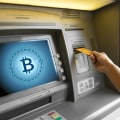
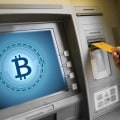
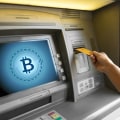
Bitcoin ATMs, often referred to as BTMs, are specialized machines that allow users to buy and sell Bitcoin and other cryptocurrencies using cash or debit cards. Unlike traditional ATMs that dispense fiat currency, Bitcoin ATMs facilitate transactions in the digital currency realm, providing a bridge between physical cash and the world of cryptocurrencies. This innovative technology has gained traction as more individuals seek to enter the cryptocurrency market without the need for complex online exchanges.Understanding how a Bitcoin ATM works is essential for anyone considering using one. When a user approaches a Bitcoin ATM, they typically start by selecting whether they want to purchase or sell Bitcoin.
For purchases, the user inserts cash or swipes their debit card, after which the machine generates a QR code linked to their digital wallet. By scanning this code with their smartphone wallet app, users can receive the purchased Bitcoin directly into their wallets. Conversely, when selling Bitcoin, users must first send their coins to the ATM's designated wallet address before receiving cash in return.One of the key advantages of using a Bitcoin ATM is the convenience it offers. These machines are often located in easily accessible public spaces such as shopping malls, convenience stores, and airports, making it simple for users to convert their cash into cryptocurrency on the go.
Additionally, Bitcoin ATMs do not require users to create accounts or undergo lengthy verification processes typical of online exchanges, allowing for a more streamlined experience.However, while Bitcoin ATMs provide an accessible entry point into cryptocurrency trading, it is crucial for users to be aware of the associated fees and security measures. Transaction fees at Bitcoin ATMs can be significantly higher than those found on traditional exchanges, often ranging from 7% to 20%. Understanding these costs and how they impact your overall investment strategy is vital for anyone looking to utilize these machines effectively.
How Bitcoin ATMs Ensure Security
When it comes to using a Bitcoin ATM, security is a paramount concern for users. These machines are designed with multiple layers of security features to protect both the user’s funds and personal information.Understanding these measures can help alleviate concerns about safety when using a Bitcoin ATM.
Encryption Technology
One of the primary security features of Bitcoin ATMs is the use of advanced encryption technology. This ensures that all transactions are securely processed, making it difficult for unauthorized parties to intercept sensitive information. The encryption protocols used are similar to those employed by banks and financial institutions, providing a robust defense against potential cyber threats.
Two-Factor Authentication (2FA)
Many Bitcoin ATMs implement two-factor authentication as an additional layer of security. This process requires users to verify their identity through two separate methods before completing a transaction.
Typically, this involves entering a code sent to the user’s mobile device or email, ensuring that even if someone has access to your wallet information, they cannot complete a transaction without the second form of verification.
Identity Verification Processes
To comply with regulations set forth by the Financial Crimes Enforcement Network (FinCEN), Bitcoin ATMs often require users to undergo identity verification, especially for larger transactions. This may involve scanning a government-issued ID, such as a driver’s license or passport, and providing personal information like a mobile phone number for transaction confirmation. While this may seem cumbersome, it significantly enhances security by ensuring that only verified individuals can conduct transactions.
Transaction Limits and Monitoring
Bitcoin ATMs typically impose strict limits on the amount of cryptocurrency that can be purchased or sold in a single transaction. These limits not only help prevent fraud but also protect users from potential losses due to market volatility.
Additionally, many operators monitor transactions for suspicious activity, further enhancing the overall security of the ATM network.
User Control Over Funds
Unlike traditional cryptocurrency exchanges that hold users' funds in their custody, Bitcoin ATMs allow users to maintain full control over their purchased bitcoins. When you make a transaction at a Bitcoin ATM, the cryptocurrency is sent directly to your digital wallet, minimizing the risk associated with third-party custody.In conclusion, while no system is entirely foolproof, the combination of encryption technology, two-factor authentication, identity verification processes, transaction limits, and user control makes Bitcoin ATMs one of the safer options for buying and selling cryptocurrencies. By understanding these security features, users can confidently engage with Bitcoin ATMs while minimizing risks associated with their transactions.
The Role of Digital Wallets in Bitcoin ATM Transactions
In the realm of cryptocurrency, digital wallets serve as essential tools for managing and securing your assets, particularly when using a Bitcoin ATM. These wallets not only facilitate transactions but also enhance the overall security of your cryptocurrency dealings.A digital wallet is essentially a software application that allows users to store, send, and receive cryptocurrencies like Bitcoin.When you approach a Bitcoin ATM, the first step in the transaction process involves linking your digital wallet to the machine. This is typically done by scanning a QR code displayed on the ATM screen with your wallet app. The QR code contains your wallet address, ensuring that any Bitcoin purchased is sent directly to your secure wallet.To use a digital wallet with a Bitcoin ATM effectively, follow these steps:
- Download a Compatible Wallet: Choose a digital wallet that supports Bitcoin and is compatible with the ATM you plan to use. Popular options include Exodus, Coinbase Wallet, and Trust Wallet.
- Create an Account: If you’re new to cryptocurrency, set up your wallet by creating an account and securing it with strong passwords and two-factor authentication.
- Fund Your Wallet: Ensure your wallet has sufficient funds or cash on hand if you plan to purchase Bitcoin at the ATM.
- Scan the QR Code: At the ATM, scan the QR code from your wallet app to initiate the transaction.
- Complete the Transaction: Follow the prompts on the ATM screen to complete your purchase.
Most wallets employ advanced encryption techniques to protect your private keys—the critical component that grants access to your funds. Additionally, many wallets offer features such as biometric authentication and recovery phrases, which further safeguard against unauthorized access.Moreover, since Bitcoin ATMs do not hold custody of your funds, you maintain full ownership of your cryptocurrency. This decentralization means that even if an ATM were compromised, your assets remain secure in your digital wallet. However, it’s crucial to choose reputable wallets and ensure they are regularly updated to protect against vulnerabilities.In summary, digital wallets play a vital role in facilitating secure transactions at Bitcoin ATMs.
By understanding how to use these wallets effectively and prioritizing their security features, users can confidently engage in cryptocurrency transactions while minimizing risks.
Potential Risks of Using Bitcoin ATMs
While Bitcoin ATMs offer a convenient way to buy and sell cryptocurrencies, they are not without their drawbacks. Understanding the potential risks associated with using these machines is crucial for anyone considering this method of transaction.High Fees
One of the most significant disadvantages of using a Bitcoin ATM is the high transaction fees. Unlike traditional cryptocurrency exchanges, which typically charge lower fees, Bitcoin ATMs can impose charges ranging from 7% to 20% on each transaction. These fees can vary based on the operator and location, making it essential for users to compare costs before proceeding with a transaction.
For frequent users, these fees can accumulate quickly, diminishing the overall value of their investments.
Lack of Customer Support
Another notable risk is the lack of customer support available for Bitcoin ATM users. In the event of a transaction error or malfunction, users often find themselves without immediate assistance. Many Bitcoin ATMs do not have dedicated customer service representatives, and resolving issues can be challenging. This lack of support can lead to frustration and potential financial loss if a transaction does not go as planned.
Potential Scams
Bitcoin ATMs can also be targets for scams.
Unscrupulous individuals may set up fake ATMs that appear legitimate but are designed to steal funds from unsuspecting users. To mitigate this risk, it is vital to use ATMs from reputable operators and verify their legitimacy through online reviews or local cryptocurrency communities. Additionally, users should be cautious about sharing personal information during transactions, as some operators may request unnecessary details.
Privacy Concerns
While Bitcoin ATMs offer a degree of anonymity compared to traditional banking methods, they still require some level of identification for larger transactions. This requirement can raise privacy concerns for users who prefer to keep their financial activities discreet.
Depending on the operator, users may need to provide personal information such as a phone number or government-issued ID, which could potentially be misused if not handled securely.In conclusion, while Bitcoin ATMs provide a convenient way to engage with cryptocurrencies, it is essential to be aware of the associated risks. By understanding these potential pitfalls—such as high fees, lack of customer support, scams, and privacy concerns—users can make informed decisions and take necessary precautions when using Bitcoin ATMs.
Regulatory Compliance and Legal Considerations
The regulatory landscape for Bitcoin ATMs in the United States is complex and continually evolving. As the popularity of cryptocurrencies grows, so does the scrutiny from regulatory bodies. Bitcoin ATM operators must navigate a myriad of laws and regulations to ensure compliance, particularly concerning anti-money laundering (AML) and know your customer (KYC) requirements.In the U.S., the Financial Crimes Enforcement Network (FinCEN) plays a pivotal role in regulating Bitcoin ATMs. Under the Bank Secrecy Act (BSA), all operators of Bitcoin ATMs are classified as money services businesses (MSBs). This classification mandates that they adhere to strict AML protocols, which include:
- Customer Identification Program (CIP): Operators must implement a CIP to verify the identity of users engaging in transactions above a certain threshold. This often involves collecting personal information such as name, address, and date of birth.
- Transaction Monitoring: Operators are required to monitor transactions for suspicious activity.
This includes flagging large or unusual transactions that may indicate money laundering or other illicit activities.
- Reporting Obligations: Bitcoin ATM operators must file reports with FinCEN for transactions exceeding $10,000 and suspicious activity reports (SARs) when they detect potentially illegal activities.
- State Licensing: States like New York and California have stringent licensing requirements for cryptocurrency businesses, including Bitcoin ATMs.
- Consumer Protection Laws: Some states enforce consumer protection laws that mandate transparency regarding fees and exchange rates associated with Bitcoin ATM transactions.
Failure to comply with these regulations can result in severe penalties, including fines and operational shutdowns.In summary, while Bitcoin ATMs offer a convenient way to buy and sell cryptocurrencies, both operators and users must be aware of the regulatory framework governing these machines. Understanding compliance requirements not only helps protect users but also ensures that operators can continue to provide these services legally and responsibly.
Finding a Reliable Bitcoin ATM Provider
When it comes to using a Bitcoin ATM, finding a reliable provider is crucial for ensuring a safe and efficient transaction experience. With the growing popularity of Bitcoin ATMs, numerous operators have emerged, but not all are created equal. Here are some essential tips to help you identify trustworthy Bitcoin ATM providers.Research the Operator's Reputation
Before using a Bitcoin ATM, take the time to research the operator.Look for reviews and ratings from other users to gauge their experiences. Websites like Trustpilot or Google Reviews can provide insights into the reliability and customer service of various operators. A reputable provider will typically have a strong online presence and positive feedback from users.
Check for Compliance and Licensing
In the United States, Bitcoin ATM operators must comply with regulations set by the Financial Crimes Enforcement Network (FinCEN) and adhere to anti-money laundering (AML) laws. Ensure that the operator you choose is licensed and follows these regulations.This compliance not only protects you as a user but also contributes to the legitimacy of the cryptocurrency ecosystem.
Evaluate Transaction Fees
Transaction fees can vary significantly between different Bitcoin ATM providers. While some may charge lower fees, others might impose exorbitant rates that can eat into your investment. Compare the fees of various operators in your area to find one that offers competitive rates without compromising on service quality.Look for User-Friendly Interfaces
A reliable Bitcoin ATM should have an intuitive interface that makes transactions straightforward. Look for machines that provide clear instructions and support multiple languages if necessary.A user-friendly experience can make your transaction smoother and reduce the likelihood of errors.
Consider Customer Support Options
In case you encounter issues while using a Bitcoin ATM, having access to customer support is essential. Check if the operator provides assistance through various channels such as phone, email, or live chat. A responsive customer service team can help resolve any problems quickly, enhancing your overall experience.Assess Security Features
Security should be a top priority when selecting a Bitcoin ATM provider. Look for machines that offer features such as two-factor authentication (2FA) and encryption protocols to protect your transactions.Additionally, ensure that the operator has measures in place to safeguard user data and prevent unauthorized access.By considering these factors—reputation, compliance, fees, user interface, customer support, and security—you can confidently choose a reliable Bitcoin ATM provider that meets your needs and enhances your cryptocurrency experience.
Frequently Asked Questions About Bitcoin ATMs
As Bitcoin ATMs become increasingly popular, many users have questions about their functionality, security, and overall experience. Here are some of the most frequently asked questions regarding Bitcoin ATMs.1.How do I use a Bitcoin ATM?
Using a Bitcoin ATM is relatively straightforward. First, locate a nearby machine using an online map or app. Once at the ATM, follow these steps:- Select the option to buy Bitcoin.
- Enter your mobile number for verification purposes.
- Scan your digital wallet's QR code to receive the purchased Bitcoin.
- Insert cash or use a debit card to complete the transaction.
- Confirm the transaction and wait for the receipt.
2.Are Bitcoin ATMs safe?
Yes, Bitcoin ATMs are generally considered safe due to their security protocols.Transactions require identity verification, and your digital wallet remains secure as long as you protect your private keys. However, it’s essential to choose a reputable ATM operator and be aware of potential fees.
3.What fees can I expect when using a Bitcoin ATM?
Fees for using a Bitcoin ATM can vary significantly, typically ranging from 7% to 20% of the transaction amount. These fees are higher than those found on traditional cryptocurrency exchanges, so it’s advisable to check the fee structure before proceeding with a transaction.4.Do I need an account to use a Bitcoin ATM?
No, you do not need to create an account to use a Bitcoin ATM. You only need a digital wallet to receive your purchased Bitcoin.This feature makes it convenient for users who prefer not to register on an exchange.
5.What should I do if something goes wrong?
If you encounter issues while using a Bitcoin ATM, such as not receiving your Bitcoin or having trouble with the machine, it can be challenging to get immediate assistance. Most ATMs have limited customer support options. It’s advisable to take note of the machine's operator information and contact them directly for help.6.Can I sell Bitcoin at an ATM?
Many Bitcoin ATMs allow users to sell their Bitcoin in addition to buying it. The process is similar: select the option to sell, scan your wallet QR code, and follow the prompts to complete the transaction.By understanding these common questions about Bitcoin ATMs, users can navigate their transactions more confidently and make informed decisions about their cryptocurrency investments.Conclusion: Is It Safe to Use a Bitcoin ATM?
In conclusion, the question of whether it is safe to use a Bitcoin ATM can be answered with a resounding yes, provided that users take certain precautions.As we have explored throughout this article, Bitcoin ATMs offer a unique blend of convenience and security that appeals to both novice and experienced cryptocurrency users.One of the primary advantages of using a Bitcoin ATM is the level of control it provides over your digital assets. Unlike traditional cryptocurrency exchanges, which may hold your funds in custody, Bitcoin ATMs allow you to transfer purchased bitcoins directly to your own digital wallet. This means you maintain full ownership and control over your cryptocurrencies, reducing the risk associated with third-party custodianship.Moreover, the security measures implemented by Bitcoin ATM operators, such as encryption and two-factor authentication, add an additional layer of protection for users. These protocols ensure that only authorized individuals can access their accounts and conduct transactions.
Furthermore, the requirement for identity verification for larger transactions helps to deter fraudulent activities and enhances overall security.However, it is essential to remain vigilant when using Bitcoin ATMs. Users should be aware of the high fees associated with these machines, which can range from 7% to 20%. Additionally, the lack of customer support in case of issues can be a significant drawback. Therefore, it is advisable to research different Bitcoin ATM providers and compare their fees and services before making a transaction.In summary, while Bitcoin ATMs are generally safe to use, users must exercise caution and conduct thorough research.
By understanding the operational framework of these machines and being aware of potential pitfalls, individuals can confidently utilize Bitcoin ATMs as a reliable method for buying and selling cryptocurrencies.