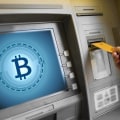
Bitcoin ATMs, often referred to as BTMs, are specialized kiosks that facilitate the buying and selling of Bitcoin and other cryptocurrencies. These machines serve as a bridge between traditional fiat currencies and the digital currency ecosystem, allowing users to engage in cryptocurrency transactions with ease. Unlike conventional ATMs that dispense cash, Bitcoin ATMs enable users to convert their cash into Bitcoin or vice versa, making them a popular choice for both seasoned investors and newcomers to the cryptocurrency space.The functionality of a Bitcoin ATM is relatively straightforward. Users can approach the machine, select their desired transaction type—whether purchasing Bitcoin or selling it for cash—and follow the on-screen prompts.
Most machines require users to verify their identity, which may involve scanning a government-issued ID and taking a selfie. This verification process is crucial for compliance with anti-money laundering (AML) regulations and helps ensure the security of transactions.As the adoption of cryptocurrencies continues to grow, so does the presence of Bitcoin ATMs in urban areas and beyond. These machines are strategically placed in locations such as convenience stores, shopping malls, and airports, making them accessible to a wide audience. The convenience of being able to buy or sell Bitcoin on-the-go has contributed to their increasing popularity.
However, it is essential for users to understand that while Bitcoin ATMs offer a user-friendly interface for transactions, they also come with specific limits and regulations that govern how much cryptocurrency can be bought or sold at any given time.In summary, Bitcoin ATMs represent a significant advancement in the way individuals interact with digital currencies. They simplify the process of acquiring Bitcoin and provide an avenue for cashing out investments. As we delve deeper into this topic, we will explore the various limits associated with these machines, shedding light on why they exist and how they impact users' experiences.
Types of Bitcoin ATMs
Bitcoin ATMs come in various forms, each designed to cater to different user needs and preferences. Understanding the distinctions between these types is essential for anyone looking to engage with cryptocurrency through these machines.One-Way Bitcoin ATMs
One-way Bitcoin ATMs are primarily designed for purchasing Bitcoin only.Users can insert cash into the machine and receive Bitcoin directly into their digital wallets. These machines are particularly popular among newcomers to cryptocurrency, as they provide a straightforward way to acquire Bitcoin without the complexities of online exchanges.
- Ease of Use: One-way ATMs typically have user-friendly interfaces that guide users through the purchasing process.
- Cash Transactions: They allow users to buy Bitcoin using cash, making it accessible for those who prefer not to use bank accounts or credit cards.
- Instant Transactions: Once the transaction is completed, users receive their Bitcoin almost instantly, which is a significant advantage over traditional exchanges that may take longer.
Two-Way Bitcoin ATMs
In contrast, two-way Bitcoin ATMs offer both buying and selling functionalities. This means users can not only purchase Bitcoin but also sell their cryptocurrency for cash. This flexibility makes two-way ATMs a more versatile option for seasoned cryptocurrency users.- Buying and Selling: Users can easily switch between buying and selling, making it convenient for those who want to manage their crypto assets actively.
- Higher Limits: Two-way machines often have higher transaction limits compared to one-way ATMs, allowing users to conduct larger trades.
- Verification Requirements: To comply with regulations, two-way ATMs may require users to verify their identity before selling Bitcoin, which can include scanning an ID or providing a phone number.
Key Features of Bitcoin ATMs
Regardless of the type, many Bitcoin ATMs share common features that enhance user experience:- User Interface: Most machines are equipped with touch screens that provide clear instructions and options for transactions.
- Wallet Integration: Users can connect their digital wallets via QR codes, simplifying the process of receiving or sending Bitcoin.
- Transaction History: Some machines offer receipts or transaction history options, allowing users to keep track of their purchases and sales.
Understanding these types and their features will help you make informed decisions when using Bitcoin ATMs.
Understanding Bitcoin ATM Limits
When using a Bitcoin ATM, understanding the various limits imposed on transactions is crucial for users. These limits can significantly affect how much cryptocurrency you can buy or sell in a single visit, and they vary widely depending on the operator and local regulations.Daily Purchase Limits
Most Bitcoin ATMs impose daily purchase limits to comply with anti-money laundering (AML) regulations. These limits are designed to prevent illicit activities and ensure that transactions are traceable. Typically, the daily purchase limit can range from $1,000 to $10,000, but some machines may allow higher amounts for verified users.
Verification often involves scanning a government-issued ID and providing personal information.For instance, if you plan to buy Bitcoin for investment purposes, knowing your ATM's daily limit is essential. If you exceed this limit, you may need to wait until the next day to make additional purchases or seek out another machine with a higher limit.
Withdrawal Limits
In addition to purchase limits, Bitcoin ATMs also have withdrawal limits when it comes to selling Bitcoin for cash. These limits are similarly influenced by regulatory requirements and the operational capacity of the machine. Users can typically withdraw cash equivalent to a certain amount of Bitcoin, which is often capped at around $5,000 per transaction.These withdrawal limits serve multiple purposes:
- Security: Limiting the amount of cash dispensed helps protect against theft and fraud.
- Liquidity: Operators need to ensure that there is enough cash available in the machine to meet user demand.
- Compliance: Adhering to local laws regarding cash transactions helps maintain the legitimacy of Bitcoin ATMs.
Why Do These Limits Exist?
The primary reason for imposing limits on Bitcoin ATMs is regulatory compliance.
Governments around the world have established guidelines to combat money laundering and other financial crimes. By enforcing these limits, operators can help ensure that their machines are not used for illegal activities.Moreover, these limits also protect users by preventing large-scale fraud or theft. Understanding these constraints allows users to plan their transactions better and avoid any inconveniences when attempting to buy or sell Bitcoin at an ATM.In conclusion, while Bitcoin ATM limits may seem restrictive at first glance, they play a vital role in ensuring safe and compliant transactions within the cryptocurrency ecosystem. Being aware of these limitations can enhance your experience and help you navigate the world of Bitcoin more effectively.
Factors Influencing Bitcoin ATM Limits
Understanding the limits imposed by Bitcoin ATMs is crucial for users who wish to buy or sell cryptocurrency.Several factors influence these limits, primarily revolving around regulatory compliance and the specific policies of individual operators.
Regulatory Compliance
One of the most significant factors affecting Bitcoin ATM limits is the need for compliance with local and federal regulations. In many jurisdictions, operators must adhere to anti-money laundering (AML) and know your customer (KYC) laws. These regulations are designed to prevent illicit activities such as money laundering and fraud. As a result, Bitcoin ATM operators often set daily purchase limits to ensure they can effectively monitor transactions and verify user identities.For instance, in the United States, the Financial Crimes Enforcement Network (FinCEN) requires Bitcoin ATM operators to register as money services businesses (MSBs).
This registration mandates that they implement strict KYC procedures, which can include verifying a user’s identity through government-issued identification. Such measures can lead to varying limits based on the level of verification completed by the user.
Operator Policies
In addition to regulatory requirements, individual Bitcoin ATM operators have their own policies that can significantly impact transaction limits. Different operators may choose to implement varying thresholds based on their business models, risk assessments, and target markets. For example:
- Transaction Volume: Operators may set higher limits for users who frequently transact or have established a history with the machine.
- Geographic Location: Limits can vary by state or region due to differing local regulations and market demand.
- Machine Type: Two-way ATMs that allow both buying and selling may have different limits compared to one-way machines that only facilitate purchases.
Understanding these factors not only helps users navigate their options but also empowers them to make informed decisions when engaging with cryptocurrency through ATMs.
Geographical Variations in Bitcoin ATM Limits
The limits imposed on Bitcoin ATMs can significantly differ based on geographical location, influenced by local regulations, market demand, and the operational policies of individual ATM providers. Understanding these variations is crucial for users who wish to navigate the cryptocurrency landscape effectively.Bitcoin ATM Limits by Country
- United States: In the U. S., Bitcoin ATM limits can vary widely from state to state. For instance, some states may allow users to purchase up to $10,000 in Bitcoin per transaction, while others may impose stricter limits of around $2,500.
These differences often stem from state-specific regulations aimed at preventing money laundering and ensuring compliance with financial laws.
- Canada: Canadian Bitcoin ATMs typically have higher limits compared to their U. S. counterparts. Users can often withdraw or purchase amounts exceeding $3,000 CAD in a single transaction.
However, operators may still enforce daily limits that can range from $5,000 to $10,000 CAD depending on the machine's location and the operator's policies.
- European Union: Within the EU, regulations can vary not only by country but also by region. For example, in Germany, Bitcoin ATMs may allow transactions up to €1,000 without requiring extensive verification. In contrast, countries like France may have stricter limits due to more rigorous anti-money laundering laws.
Regional Differences in Bitcoin ATMs
Even within a single country, regional differences can impact Bitcoin ATM limits. In urban areas with high demand for cryptocurrency transactions, operators might set higher limits to accommodate frequent users.
Conversely, in rural areas where usage is less common, limits may be lower to mitigate risks associated with lower transaction volumes.
State-Specific Regulations
In the United States, each state has its own regulatory framework governing cryptocurrency transactions. For example:
- California: Known for its progressive stance on technology and finance, California has relatively high limits for Bitcoin ATMs, often allowing transactions up to $10,000.
- New York: In contrast, New York has stringent regulations requiring operators to obtain a BitLicense. This can lead to lower transaction limits as operators navigate compliance requirements.
How to Use a Bitcoin ATM Effectively
Using a Bitcoin ATM can be a straightforward process, but for those unfamiliar with the technology, it may seem daunting at first.Here’s a step-by-step guide to help you navigate the process effectively.
- Locate a Bitcoin ATM: Start by finding a nearby Bitcoin ATM. You can use online maps or dedicated websites that list Bitcoin ATM locations. Make sure to check the operating hours and whether the machine supports buying, selling, or both.
- Prepare Your Wallet: Before heading to the ATM, ensure you have a digital wallet set up on your smartphone or computer. This wallet will store your Bitcoin securely.
If you don’t have one, consider downloading a reputable wallet app.
- Verify Your Identity: Many Bitcoin ATMs require identity verification to comply with regulations. Be prepared to scan your ID or provide your phone number. Some machines may also take a selfie for additional security.
- Select Your Transaction Type: Once you’re at the machine, choose whether you want to buy or sell Bitcoin. Follow the on-screen prompts to make your selection.
- Enter the Amount: Specify how much Bitcoin you wish to purchase or sell.
Keep in mind that there may be limits on how much you can transact in one session, depending on the operator and local regulations.
- Complete the Transaction: If buying Bitcoin, insert cash into the machine as prompted. For selling, follow the instructions to send Bitcoin from your wallet to the ATM’s address. Confirm all details before finalizing the transaction.
- Receive Your Receipt: After completing your transaction, the ATM will provide a receipt. Keep this for your records as it contains important information about your transaction.
Tips for Effective Use:
- Check Fees: Be aware that Bitcoin ATMs often charge higher fees compared to online exchanges.
Review the fee structure before proceeding with your transaction.
- Stay Aware of Limits: Familiarize yourself with any daily limits imposed by the ATM operator. This will help you plan your transactions accordingly.
- Use Secure Connections: If you're using a mobile wallet, ensure that your internet connection is secure when accessing it near an ATM.
Security Measures and Risks Associated with Bitcoin ATMs
When using a Bitcoin ATM, understanding the security measures in place and the potential risks involved is essential for a safe transaction experience. While these machines offer convenience, they also present unique challenges that users should be aware of.Security Measures at Bitcoin ATMs
- Identity Verification: Many Bitcoin ATMs require users to verify their identity before completing a transaction. This often involves scanning a government-issued ID and taking a selfie.
This process helps prevent fraud and ensures compliance with anti-money laundering (AML) regulations.
- Encryption: Transactions conducted through Bitcoin ATMs are typically encrypted, which adds a layer of security. This encryption protects sensitive information from being intercepted by malicious actors.
- Secure Connections: Reputable Bitcoin ATM operators use secure internet connections to facilitate transactions. Look for machines that display security certificates or other indicators of secure connections.
- Regular Maintenance: Operators often perform regular maintenance checks on their machines to ensure they are functioning correctly and securely. This includes software updates that patch any vulnerabilities.
Potential Risks Associated with Bitcoin ATMs
- Scams and Fraud: Users should be cautious of scams, such as phishing attempts or fake ATMs.
Always verify the legitimacy of the machine before proceeding with a transaction.
- Privacy Concerns: While identity verification enhances security, it also raises privacy issues. Users should be aware that their personal information may be stored by the ATM operator.
- Theft and Vandalism: Bitcoin ATMs can be targets for theft or vandalism. It’s advisable to use these machines in well-lit, populated areas to minimize risks.
Safety Tips for Using Bitcoin ATMs
- Choose Reputable Locations: Always use Bitcoin ATMs located in reputable establishments or areas known for safety.
- Be Aware of Your Surroundings: Before using an ATM, take a moment to observe your surroundings. If something feels off, consider waiting or finding another machine.
- Limit Transaction Amounts: To minimize risk, consider limiting the amount of Bitcoin you purchase or sell in a single transaction.
- Use Strong Passwords: If the ATM requires you to create an account, ensure you use strong, unique passwords to protect your account from unauthorized access.
Future Trends in Bitcoin ATMs and Their Limits
The landscape of Bitcoin ATMs is rapidly evolving, driven by technological advancements and shifting regulatory frameworks.As the adoption of cryptocurrencies continues to grow, the future of Bitcoin ATMs is poised for significant transformation, which will likely influence the limits imposed on transactions.One of the most notable trends is the integration of advanced technologies into Bitcoin ATMs. For instance, many operators are beginning to incorporate biometric verification methods, such as fingerprint scanning or facial recognition, to enhance security and streamline the user experience. This could lead to higher transaction limits as operators can more confidently verify user identities, thereby reducing the risk of fraud.Moreover, the rise of decentralized finance (DeFi) platforms may also impact how Bitcoin ATMs function. As users become more familiar with DeFi services, there may be a demand for ATMs that facilitate not just buying and selling Bitcoin but also engaging in lending and staking directly from the kiosk.
This could necessitate a reevaluation of existing limits to accommodate more complex transactions.On the regulatory front, governments worldwide are increasingly scrutinizing cryptocurrency transactions to combat money laundering and other illicit activities. As regulations evolve, Bitcoin ATM operators may face stricter compliance requirements that could affect transaction limits. For example, jurisdictions may implement tiered limits based on user verification levels or transaction history. This means that users who undergo more rigorous identity checks might enjoy higher purchase limits compared to those who opt for minimal verification.Additionally, as more financial institutions enter the cryptocurrency space, we may see partnerships between banks and Bitcoin ATM operators.
Such collaborations could lead to enhanced services and potentially higher limits for users who are verified through their banking institutions.In conclusion, the future of Bitcoin ATMs is likely to be shaped by technological innovations and evolving regulations. Users can expect a more secure and versatile experience at these kiosks, with potential increases in transaction limits as operators adapt to meet both consumer demands and regulatory requirements.
Conclusion: Navigating the World of Bitcoin ATMs
In conclusion, understanding the limits of Bitcoin ATMs is crucial for anyone looking to engage in cryptocurrency transactions. As we have explored, these machines offer a convenient way to buy and sell Bitcoin, but they come with specific restrictions that users must navigate.Firstly, it is essential to recognize that the limits imposed by Bitcoin ATM operators are primarily designed to comply with regulatory requirements, particularly anti-money laundering (AML) laws. These regulations necessitate that operators monitor and control the volume of transactions to prevent illicit activities.Therefore, users should be aware that while they can purchase Bitcoin, there may be daily limits on how much they can buy or sell at a given machine.Moreover, the limits can vary significantly based on several factors:
- Location: Different countries and states have varying regulations that affect transaction limits.
- Operator Policies: Each Bitcoin ATM operator may set its own limits based on their business model and compliance strategies.
- Machine Type: Two-way ATMs that allow both buying and selling may have different limits compared to one-way machines.
By understanding the limits and operational guidelines of Bitcoin ATMs, users can navigate this exciting world of digital currency with confidence and security.